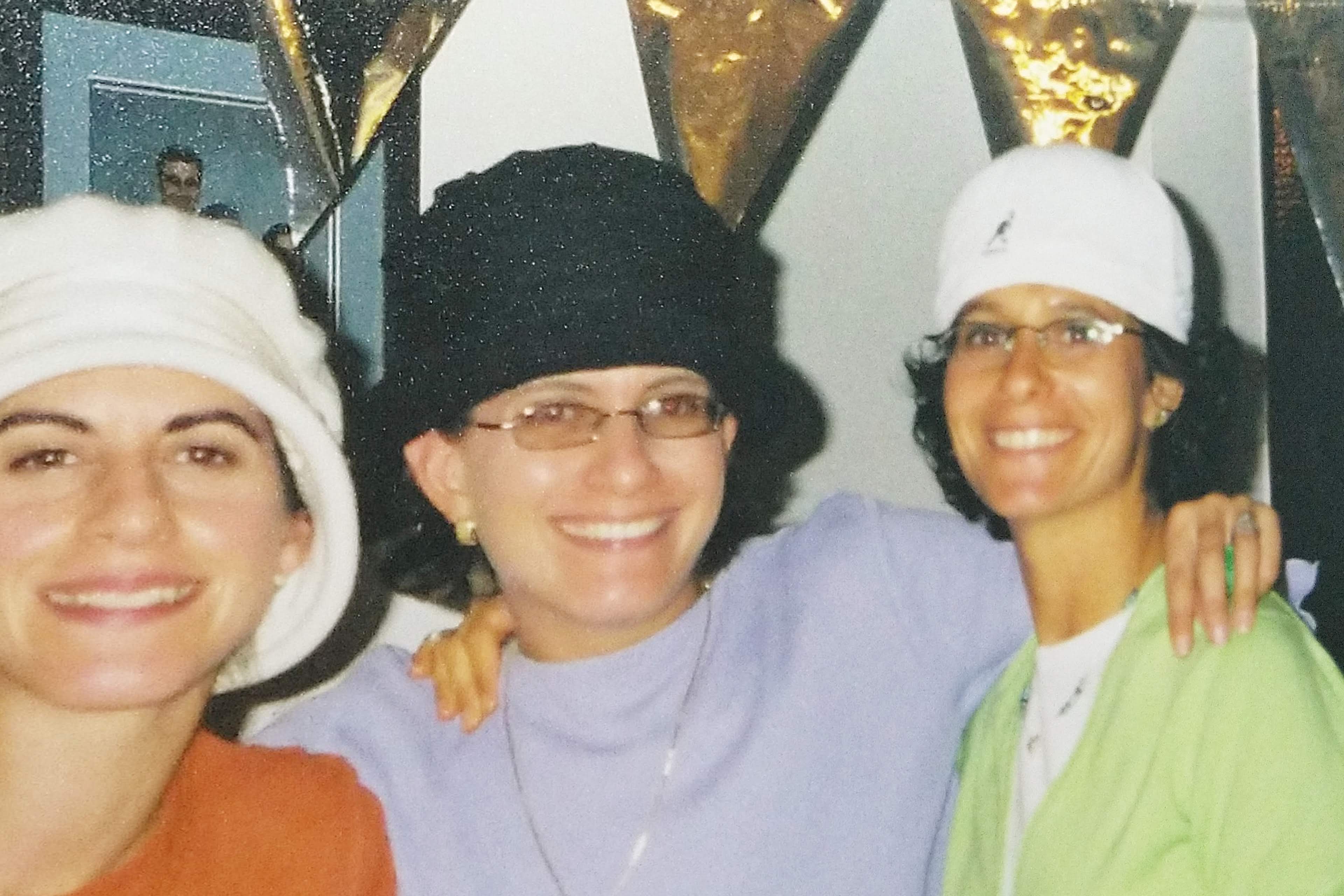
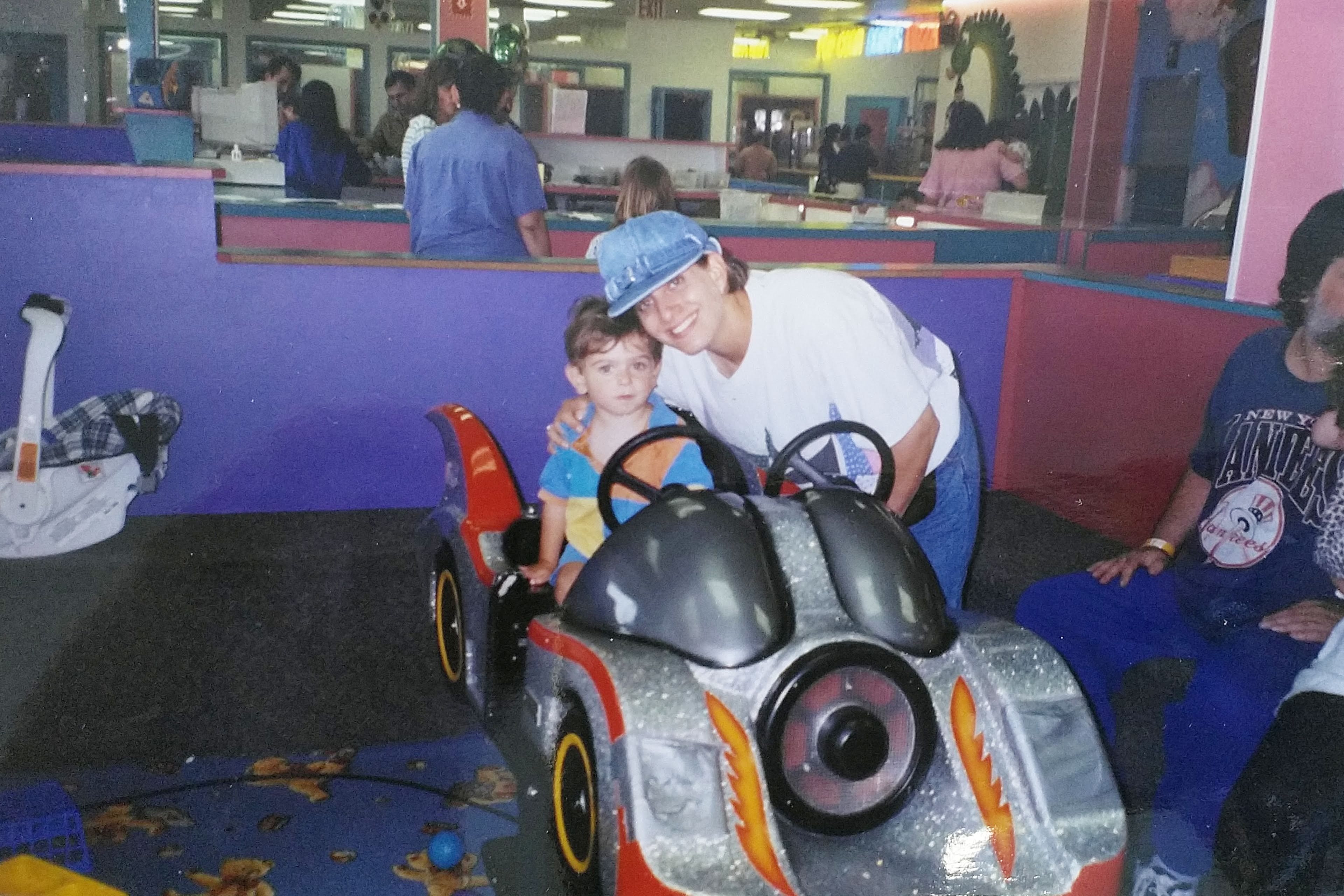
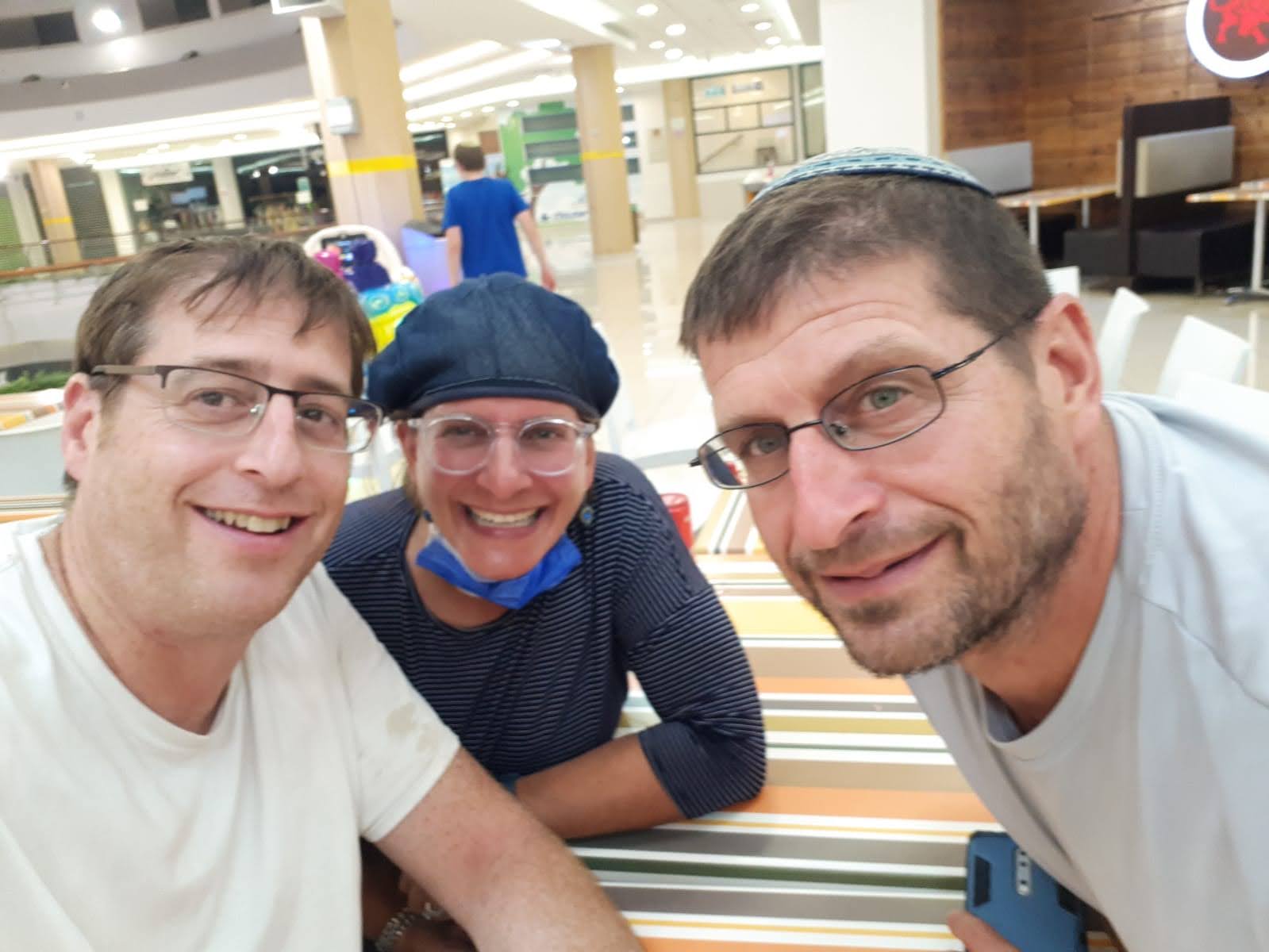
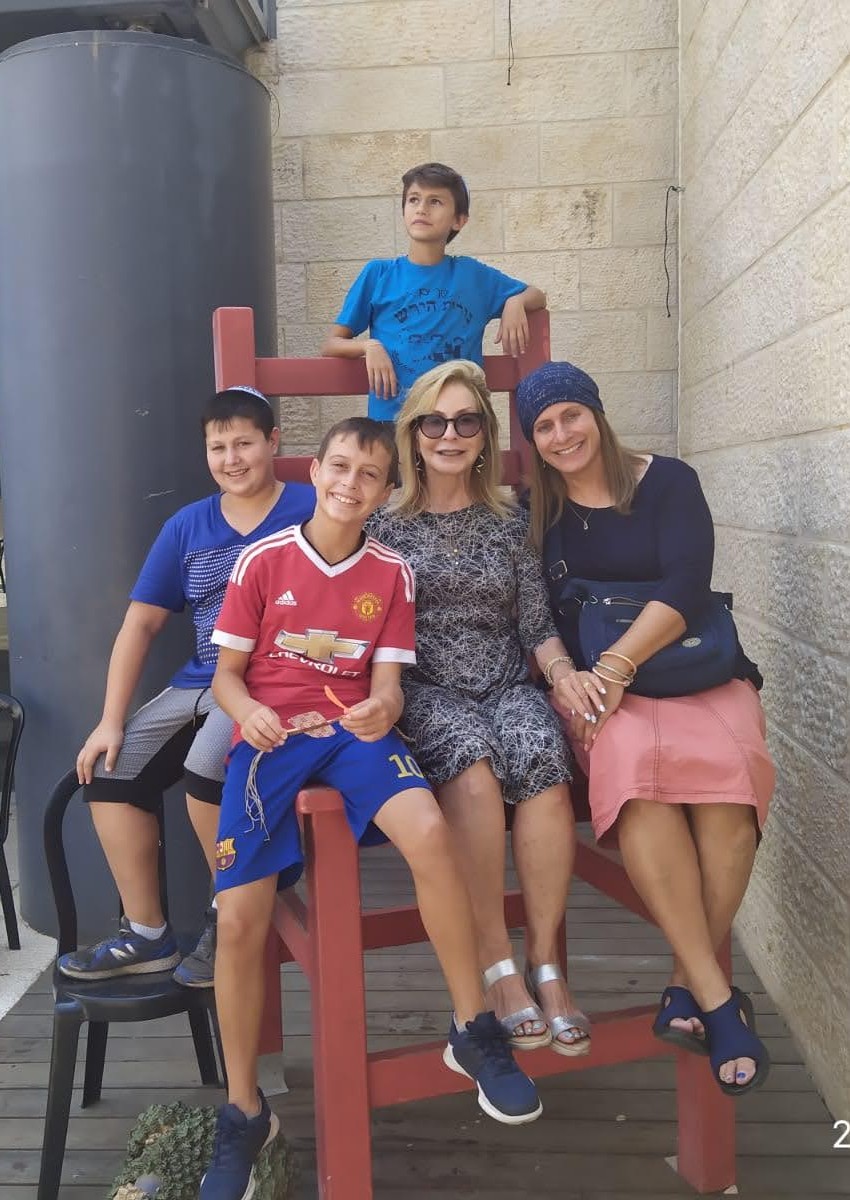
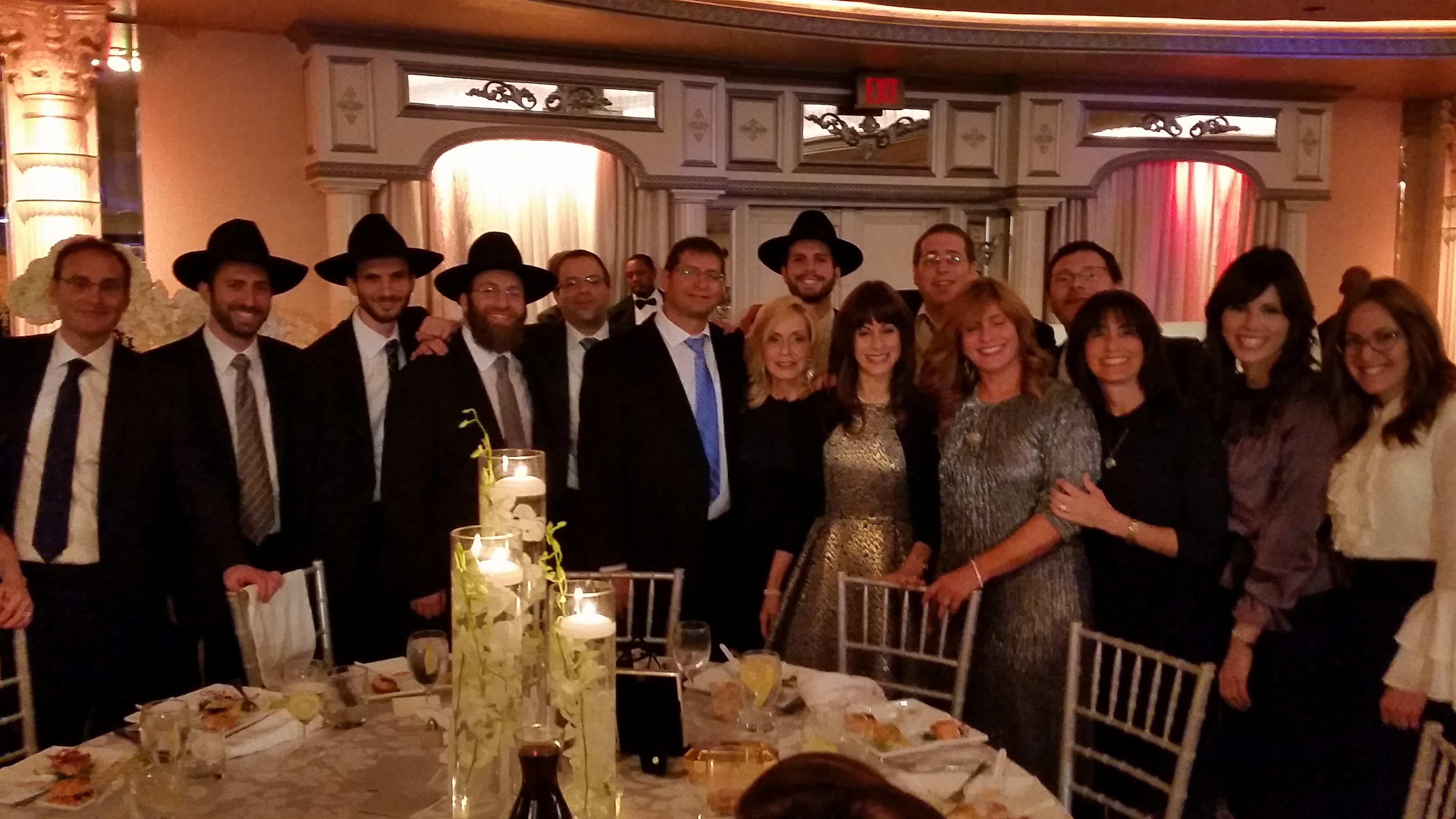
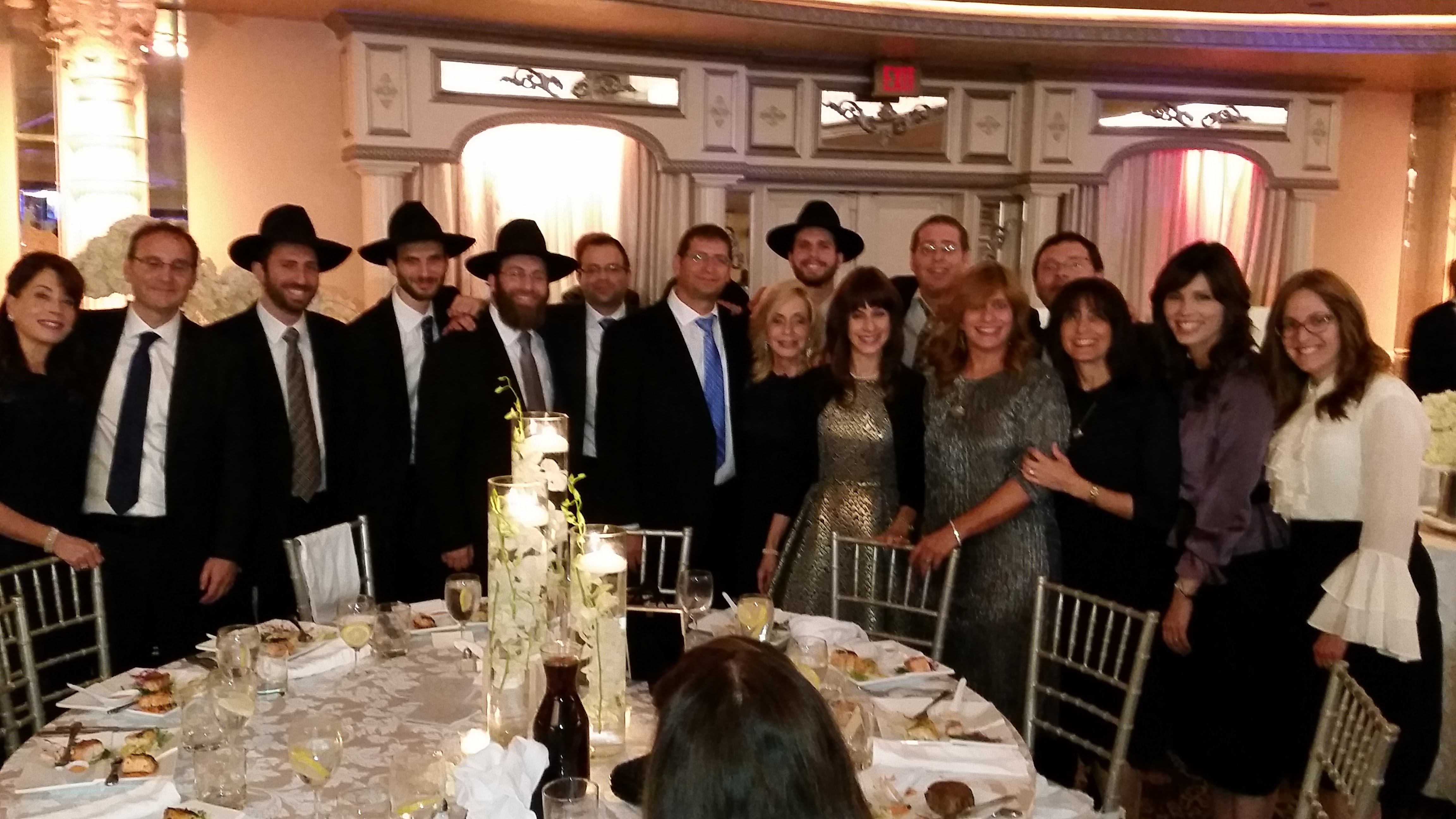
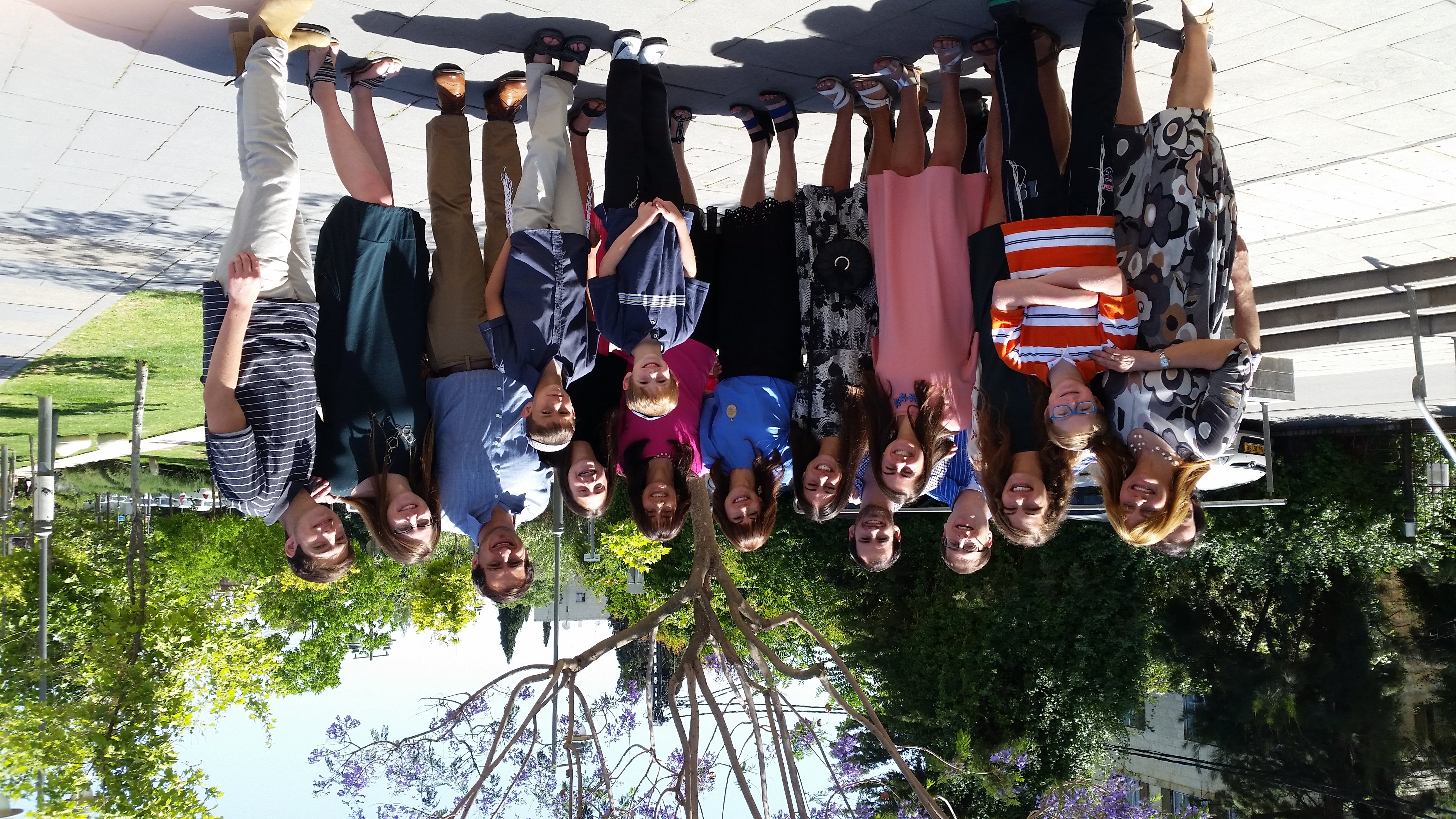
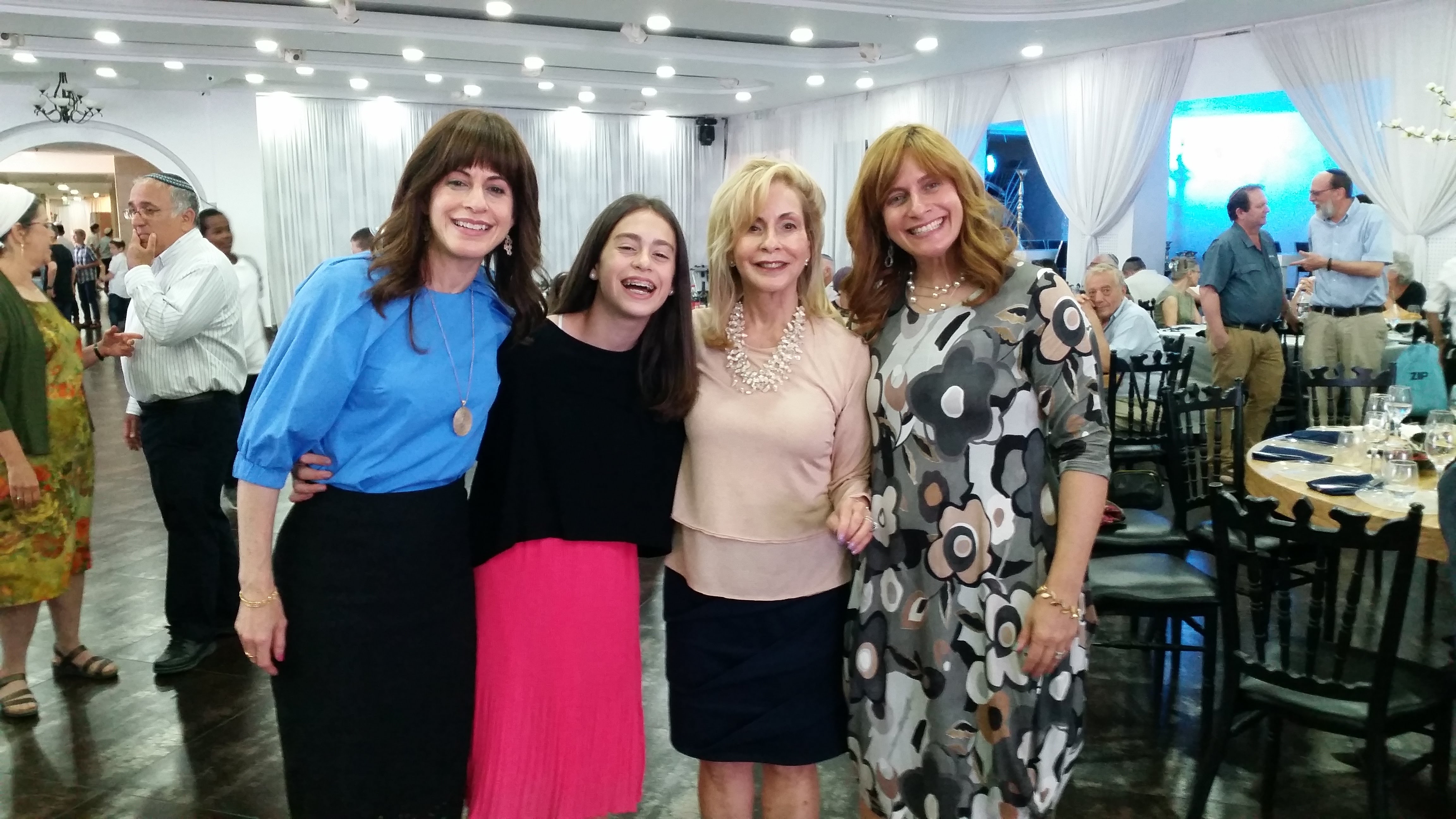
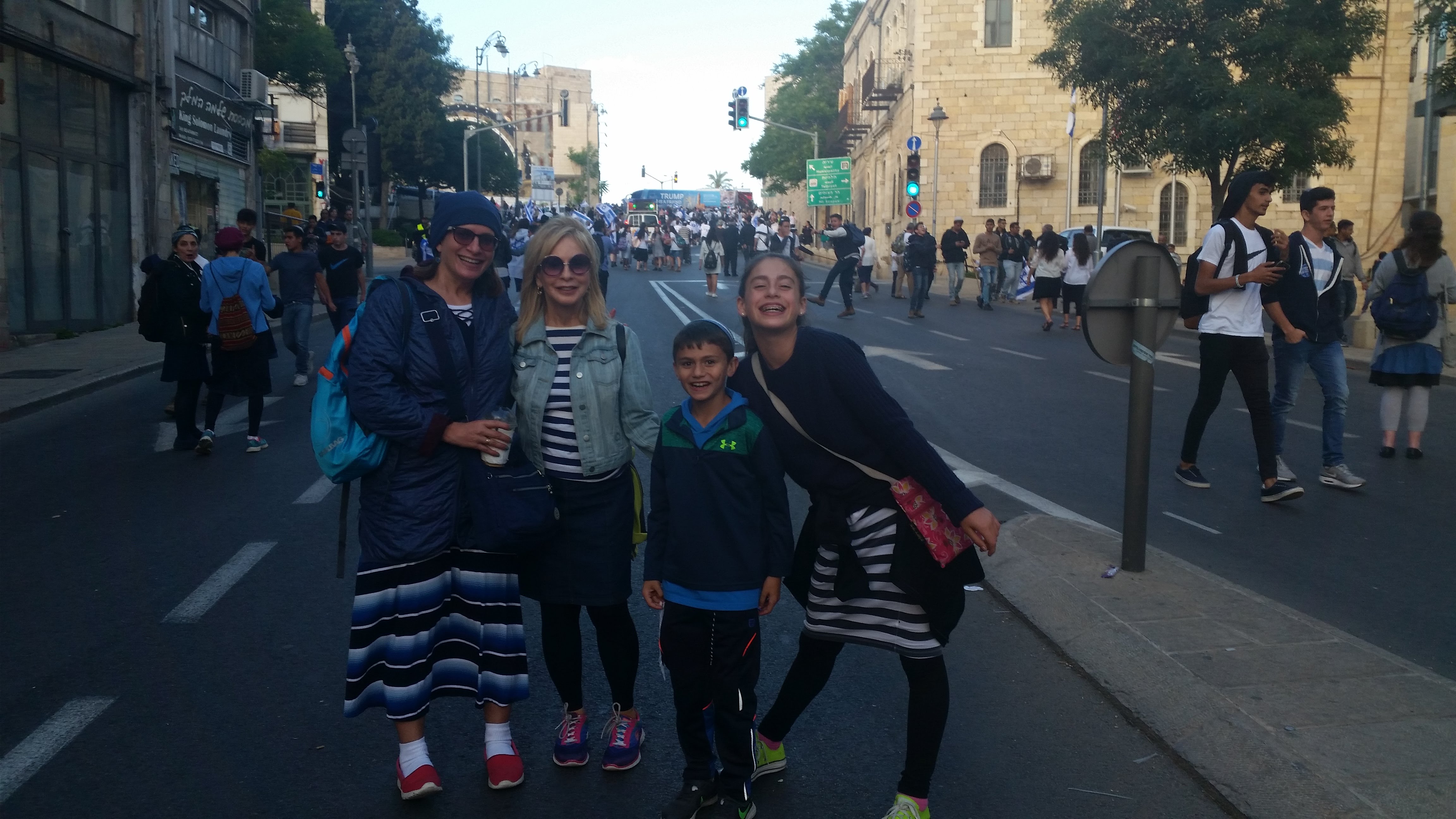
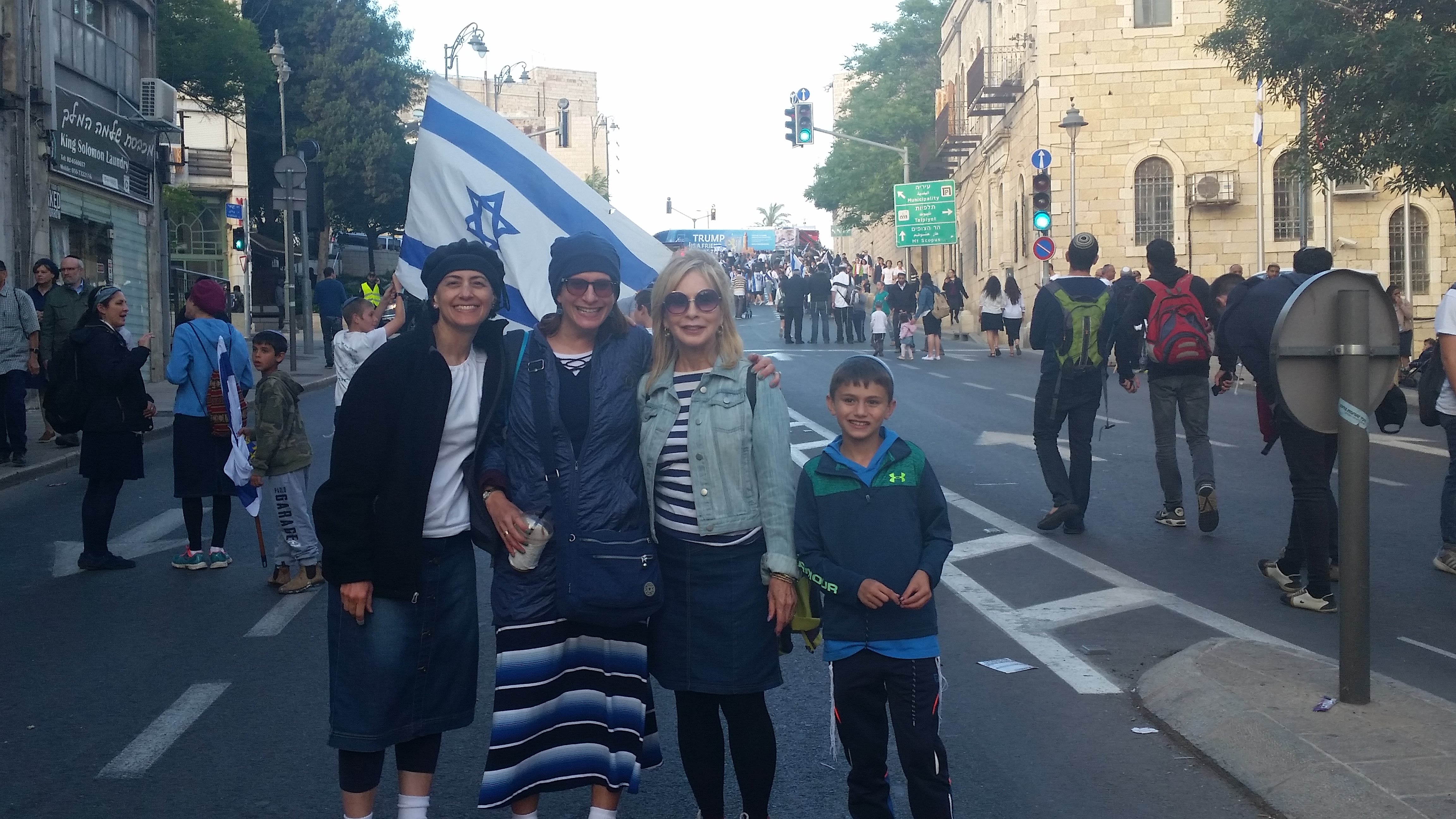
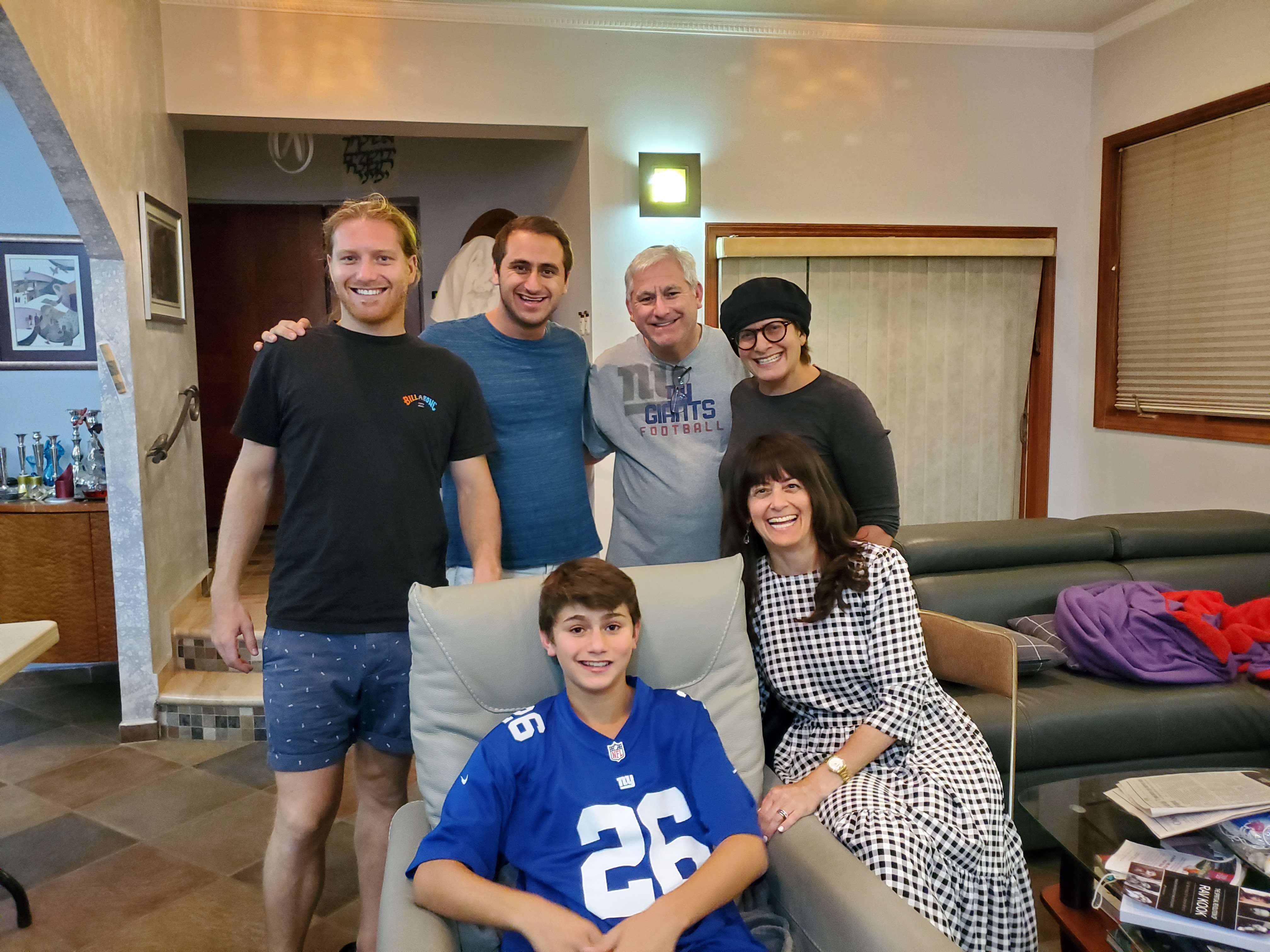
Phyllis Hecht

In Loving Memory of Phyllis Hecht

פיליס הכט

זֵכֶר צַדִּיק לִבְרָכָה.
"The memory of the righteous is a blessing."
(Proverbs 10:7)
קָמוּ בָנֶיהָ וַיְאַשְּׁרוּהָ, בַּעְלָהּ וַיְהַלְלָהּ. פִּיְהָ פָּתְחָה בְחָכְמָה, וְתוֹרַת חֶסֶד עַל לְשׁוֹנָהּ.
"Her children rise up and call her blessed; her husband, and he praises her. She opens her mouth with wisdom, and the teaching of kindness is on her tongue."
(Proverbs 31)

Funeral Service Video

Funeral Recording


Shloshim Shiur

30-Day Memorial Lecture


Tisha B'Av Shiur 2026

Tribute Lecture by Rabbi Gottlieb


Her Blogs Archived Articles & Reflections (9 Published)

Choiceless Choices Sealing Our Final Verdict

Tekiah Gedolah...the climactic conclusion of Yom Kippur. We sighed, breathed, hugged our neighbor, wiped away a tear. Can we say, this time next year? Didn't we think that, this time last year?

To borrow from Robert Frost The Road Not Taken literary analysis-Is the sigh one of relief or regret?

In this world of Post-October 7th-Pre-Simchat Torah Anniversary-The answer is,...both!

What a year it has been. We made it. We now have a clean slate...really? What now? It's the happiest time of the year/Z'man Simchataynu, Really? HOW do we do this?

WHAT have we been doing, Repenting? But, we are forced into an emotional state. We are commanded to be happy? How can that be? Well, isn't happiness the ideal emotion, one that we always want to feel? nevertheless, if you just don't feel this, it is such a difficult mitzvah, one which the Vilna Gaon noted as the most difficult of all.

In this generation which puts such an emphasis on its happiness and fairytales of happily ever after, horrifically so, instead, it has been a nightmare in finding that happiness.

What is the reality? What is going to be? Borrowing from Holocaust terminology to depict our existing reality...Choiceless choices everywhere we go. They chant: "Bring them home"! But... how?... Choiceless choices... We say: "Let our people go!" The choice has to be made.

We had all been wondering, what is wrong with our leaders, while so many families are anguished? There are so many lost loved ones, so much pain and trauma. The suffering will in many cases segway into PTSD. Will it ever end? Decisions need to be made, only by whom? Choiceless choices wherever one goes...And yet....as to most of the sides, Everyone Is Right! As John Polin cried "In a competition of pain, there are no winners". Choiceless Choices...

What are the choices? Who can make them? What do we do?

Choiceless Choices... So, each one of us have been inscribed in one of the "books" by that final Tekiah Gedolah. We have made behavioral choices and therefore, a choice was made for us. As the Book of Esther states, the decree of the king once stamped and sealed cannot be revoked.

Did I choose correctly? Is my fate totally sealed? What if I missed that deadline? What if my choices were wrong?-Choiceless Choices. Are there second chances? Can the clock turn back to 2023, October 6th.... 7,8...9th? Have we ever wanted a redo, so badly? Choiceless Choices....

Interestingly enough, there will be one more chance. The verdict was sealed. But there is a final verdict which is then, actually sealed by the master of the world above. So, there is a second chance to seal in that final verdict for the year ahead. By the end of Wednesday, the last day of Chol Hamoed Sukkot, another day for Kapara known as Hoshanah Rabbah, Where the Adon Olamim will be all ears for that final verdict. Have we taken advantage since Sukkot began, to be as happy as can be? Have we been trying our best to bring joy to ourselves in a healthy, spiritual way, thereby proving to our creator that we are worth the investment of another year because through our happiness we have so much good to share and spread around this beautiful world that has gone mad and turned upside down? Will we be given that chance to help heal our fractured world?

Z'man Simchateinu, rejoice with family, friends and our community. By opening our homes to those we love and to those in need, we must reach out and help those who need to be helped and may have fallen between the cracks. This is how we will begin to help heal our fractured world and help bring the much necessary unity. But now, in good celebratory times. For we have shown and proven, united we stand in times of torture, misery and affliction. But we can't unify only in distress, endlessly and follow the commandment to be happy during this holiday season.

As we just read in Megillat Kohelet: (explained by Rami Shapiro)

Everything in this world has its moment,
a season of ripening and falling away:
Moments of birthing and moments of dying;
moments of planting and moments of reaping.
Moments of killing and moments of healing;
moments of demolition and moments of building.
Moments of weeping and moments of laughing;
moments of mourning and moments of dancing.
Moments of scattering stones and moments of gathering stones;
moments of embracing and moments of distance.
Moments of seeking and moments of losing;
moments of clinging and moments of releasing.
Moments of tearing and moments of mending;
moments of silence and moments of talking.
Moments of loving and moments of hating;
moments of warring and moments of peacemaking.

We must note that laughter happens and tears happen as part of the same process of life.

And so, as the clock is ticking closer for us approaching the final verdict, we need to validate that each day is filled with opposing emotions, feelings and actions. This is all part of the book of life that weNormally I can help with things like this, but I don't seem to have access to that content. You can try again or ask me for something else.

Thirty days before Pesach we must be asking...

Since October 7th, our world has become mayhem in so many ways. There probably isn't anyone among our people and beyond who has not yet "stepped up to the plate" in an array of practices. We have cried and prayed. We have shopped and cooked. We have collected and packed. We have organized and volunteered. We have flown back and forth speaking, appealing, packing and delivering. We have driven to so many destinations with overflowing cars of goods to distribute. We have turned out en masse to funerals and shivas. We have written letters and signed petitions. We have circulated articles and videos. We have become a nation with a common goal of uprooting and ridding the evil Hamas and getting the hostages released. A slogan was formed: "Bring Them Home Now". Everyone seemingly has had their hearts in the right place, but our hearts are all broken for so many reasons during this calamitous continuance. As of day 173 our existence continues accordingly.

As Jews usually do, even during these past 173 days, we keep going from sadness to joyous occasions. We are going from funerals to weddings and shivas, even in the same day. Our cycle of life weighs heavy on us all.

From the initial outbreak of this war, we couldn't afford logical reactions and any sort of planning. The aforementioned activities came from the shock and pain that we all felt and the bleeding need to help immediately in any way possible. And so we flooded streets, phone lines, airports, WhatsApp groups and more to help our beloved soldiers, bereaved and displaced families, and overwhelmed businesses, from South to North, to volunteer in places that we could in any ways possible. We have opened our homes in various capacities. In so many instances we have overdone the donating and the volunteering, but our overflooding hearts go on, and with logistic assistance being put into the proper channels, more direct and necessary needs have been addressed.

And as so many of us have been driving with slogans on our cars, flags on our properties, ribbons and pins from our clothing, necklaces dangling from our necks—there is one slogan which we need to be asking and most probably altering.

"Bring Them Home Now" has been shouted from the heart and cried out from the pain within. But as we have had time to calm down a bit, rationalize, reason and regroup, as we prep 30 days before the nationwide holiday of Pesach, cleaning thoroughly and ridding the chametz, there seems to be a need to clean up the initial slogan of "Bring Them Home Now."

In 3 weeks our nation will sit for the Pesach Seder which is a night of remembrance and symbolism. It is a night of narrative and especially a night of questions. The narrative is there to get the children to ask questions and then the adults to answer those questions with a way for the families and their guests to learn experientially, thereby reliving an incredible historical experience together.

But those questions do have answers and many of those questions have even multiple answers and interpretations that can and will speak to the eclectic people that we have become. There is a common experience though, that is described in the Torah as the Jewish People were ushered out of Egypt. That is, after the last plague that was havocked upon the Egyptians by Hashem above: The Torah states:

וַתְּהִי צְעָקָה גְדֹלָה בְּמִצְרָיִם – כִּי אֵין בַּיִת אֲשֶׁר אֵין שָׁם מֵת
"And there was a great cry in Egypt, for there is no house where there is not a dead man."

When telling the horrific narrative behind the slogan of Bring Them Home Now, we are faced with unanswerable questions and choiceless choices such as:
1. How many murderers should be set free for how many beloved innocent hostages?
2. How many of our soldiers should die in the place of those whom they attempt to rescue?
3. Does "Now" mean immediately without any proper preparations at any cost, which goes back to the aforementioned questions?

These are horrific questions, the like of which our ancestors had to deal with and in many instances make those decisions during our history of holocausts, pogroms, and crusades—a history soaked in blood from all four corners of the earth.

Moses, our leader during the First Jewish Holocaust in history, used his slogan repeatedly of "Let My People Go". There certainly was a narrative and many questions asked, where faith was crucial in a time of unprecedented open miracles. Most sadly, as we don't have a figure like Moses to be our leader, albeit we so desperately need one, during these last weeks leading up to our experiencing and celebrating the exodus from Egypt, we must unify together with tantamount faith, like that of our ancestors who did indeed experience the exodus. Our sages have taught us as we celebrate the holiday of Pesach:

חַיָּב אָדָם לִרְאוֹת אֶת עַצְמוֹ כְּאִילוּ הוּא יָצָא מִמִּצְרָיִם
"A person is obligated to see themselves as if they personally went out of Egypt."

We are finding ourselves in that same place of havoc, whether physically, emotionally or psychologically, as we in the nation of Israel are all connected:

כִּי אֵין בַּיִת אֲשֶׁר אֵין שָׁם מֵת
"For there is no house where there is not a dead man."

And so in this perilous time, we need to be a nation with Moses-like strength, faith, and integrity. We must learn from the lead of Moses, alter the original slogan, and shout out to the world: "Let Our People Go!"

Hatanach Beyadeinu / התנך בידינו - Take the 929 challenge

"We will return to you, twenty-four books of Tanakh, and you will return to us...."

It's been Three and a half years and the Tanach cycle has just been completed. 24 Books. 929 Chapters. 1,301 Days. (Not to mention the many hours and minutes-leave it personal to the learning individual.)

The chapters of these books are what unites the nation of Israel around the world-and even many other humans of interfaith at large. Three thousand years ago we all stood at Sinai together. There were well over a million people. This was a newly formed people and a nation-cementing the covenant with Hashem and taking our oath to spend our lives learning and living, preserving and persevering a Toraidic way of life until death do us part.

And all was good-for a while. And then, thousands of years of history happened while the 929 chapters accompanied us throughout history in various fashions and formats, with some of us turning more pages, some of us less and some none at all.

Tanach has always fascinated so many people. Many of those people have lived by it and many have died by it. While tragically, many were martyred by it. For some, it seemed to be out of their reach altogether. This is very intriguing, as the verses in sefer Devarim tell us the exact opposite.

כִּי הַמִּצְוָה הַזֹּאת אֲשֶׁר אָנֹכִי מְצַוּךָ הַיּוֹם לֹא־נִפְלָאת הִוא מִמְּךָ וְלֹא רְחֹקָה הָוא:
Surely, this Instruction which I enjoin upon you this day is not too baffling for you, nor is it beyond reach.
לֹא בַשָּׁמַיִם הָוּא לֵאמֹר מִי יַעֲלָה־לָנוּ הַשָּׁמַיְמָה וְיִקָּחֶהָ לָנוּ וְיִשְׁמַעֲנוּ אֹתָהּ וְנַעֲשֶׂנָה:
It is not in the heavens, that you should say, "Who among us can go up to the heavens and get it for us and impart it to us, that we may observe it?"
ולא־מַעֲבֶר לַיָּם הָוּא לֵאמֹר מִי יַעֲבָר־לָנוּ אֶל־עֵבֶר הַיָּם וְיִקָּחֶהָ לָנוּ וְיַשְׁמָעֵנוּ אֹתָהּ וְנַעֲשֶׂנָה:
Neither is it beyond the sea that you should say, "Who among us can cross to the other side of the sea and get it for us and impart it to us, that we may observe it?"
כִּי־קָרוֹב אֵלֶיךָ הַדָּבָר מְאֹד בְּפִיךָ וּבָלְבָבְךָ לַעֲשׂתְוֹ:
No, the thing is very close to you, in your mouth and in your heart, to observe it.

And so, seemingly, the people need to put forth the effort, not even too much, as the divine will intervene, pushing us forward and making it seem like the effort is not nearly as great as the benefits.

On December 2014 Tanakh B'yachad was excitingly announced by the Israeli Education Ministry (Hebrew: Bible Together 929 - תנך ביחד). It was a project for learning one chapter of Tanach per day (except Friday and Shabbat), totaling 5 chapters per week. The name '929' refers to the total number of chapters in the Tanakh.

The first cycle was completed on April 18, 2018, coinciding with Israel's 70th Independence Day.

Then the second cycle began and something incredible happened worldwide. A fantastic Hebrew and English website and app were introduced to put the learning literally in the palm of one's hand.

The establishment of the 929 project was introduced. It was founded by Rav Benny Lau. Lord Rav Jonathan Sacks A"H became the International president. Alongside these paramount individuals worked a dedicated staff of rabbis, educators, students, scholars, writers, poets, artists, academics, and historians. Each day's chapter was laden with a wealth of podcasts, thoughts, and ideas to peruse, ponder, learn, research as much or as little as one wants for anytime of the day or saved to come back to at any time as well.

This was done for the Hebrew Speaking public at large. As for the English Speakers, one just clicks on the English site or registers to begin in English which takes one to a marvelously similar assortment, an equally awesome site. The director of the English site is Rabbi Adam Mintz. Dr. Jeremy Bernstein is the English editor and Shira Hecht Koller Esquire (and my fabulous sister in law) is the Director of Education. Alongside these phenomenal leaders are their champion scholars, academics, historians, and writers.

In a recent Tablet podcast 929 Director of Education Shira Hecht Koller expanded that the daily English site offers 5-15 short accessible explanatory reflectionary pieces of that day's Tanach Chapter with daily reflections, creative readings, and pluralistic interpretations by a wide range of scholars, public intellectuals, novelists, poets, artists, rabbis, educators, students and more. 929 English is cross denominational and crosses geographic lines offering an array of different perspectives.

And so, this amazing educational enterprise has made the accessibility of the learning of Tanach unprecedented.

As we were Misayem the cycle this past Thursday night by Zoom in Hebrew and inspirational video in English, there was a euphoric feeling among the thousands of us who completed this incredible feat and reached this accomplishment. We were all able to turn and learn together across the globe, the pages of the chapters of Tanach, many of which, those we had never opened or learned yet in our lifetime.

Hatanach Beyadeinu/ התנ"ך בידינו

And so, now one just needs to recommit to that Sinaic Oath that we all took together way back when...

929 - 1001 pages - 3.5 years - The 929 Challenge - Come on and take it!

Opening day Sunday Feb 6th, 2022. Take the 929 challenge. I dare you!

Mastering Meaningful, Mindful Messages

Extra Extra Read All About It! Sing about it! Hear all about it! Watch all about it! - Master the messages. See just how mindful they are. In turn you will master them...

Here we go again!

We have begun with Breishit, chock full of creation and adjustments. We moved to lust and sinning, punishments and curses, population and people reduction and world destruction. There needs to be respite.... somewhere over the rainbow... take a peek and see how Raise Your Spirits Theatre has done some sensational things giving us just that much needed reprieve.

Beginning with a released video of one of their hit songs, "Rainbow" (lyrics by Toby Klein Greenwald, music by Mitch Clyman) from their production of "Noah! Ride the Wave!"

This last year and a half we have all been in a teyva/Ark of sorts.

Only several months ago were those ark doors opened, albeit not all the way. So as we exited, we were treated to a very moving rendition of a smash song, that was, for so many, filling a much needed void and giving comfort and strength to start rebuilding our world.

After Noah we will move into the Abraham and Sara chronicles which are the roots of our nation. The father and mother we hold so dear have done amazing things for mankind and for their offspring which includes us all.

Our next Patriarch, Isaac, becomes an icon of Holiness as the ultimate sacrifice in so many ways. But the one we will focus on, is the lesser known Matriarch, that being Rebecca and the many details of her life. And so, while we were still humming that Noah "Rainbow song"-there was another smash success that came our way.

Not too long ago, hundreds of women were able to bask in the glory of their Biblical roots by partaking in the marvelous production of "Rebecca- Mother of Two Dynasties." Writers Toby Klein Greenwald (who also directs) and Tamar Kamins have outdone themselves. The magnificent talents of musical director Elisheva Neomi Savir, Choreographer Ashira Allon, Co-producer (with Toby) Tammy Rubin, were so evident throughout the production. Tamar also wrote some of the melodies, but most of the music was composed and arranged by Mitch Clyman.

This production was the culmination of four years of immense and intense research and hard work. This is no ordinary Bible story! The authors have, once again, created a masterpiece out of a very well known historical story.

The audience was treated to a spectacular, creative, deeply, soulful, unique, humorous, and highly entertaining show with wonderful character castings and many eclectic talents simultaneously on one stage. The production spans four Torah portions and delves into interpretation, midrashim, rabbinic literature and teachings.

The original compositions and lyrics, which covered all genres of music, had the audience swaying along and enjoying it immensely. And who can forget the awesome choreography which told a spectacular story in of itself. The characters multitasked in all sorts of roles both human and animal (and even lentils), which brilliantly added to the production.

2021 technology allowed for fantastic LED scenery in the background along with Hebrew and English subtitles which blended so well into the story and truly painted the proper picture.

It's a story we all know so well and relearn yearly, yet the drama of our Matriarch Rebecca loving her children but pained by the conflicts, confrontations, and missions, really penetrated the soul.

The well known message of our sages of Eisav forever hating Jacob was tempered by the final reading as the narrator quoted Rav Kook who says there is hope in the end of days that these two brothers will unite and ultimately have eternal peace. And in these troubling times that is our hope for all. What a better ending then, with the custom of all Raise your Spirits productions, after a huge applause, as both cast and audience ended the evening with "Ani Ma'amin" and the "Hatikvah," leaving all who attended on a high and for more than a few, not a dry eye. Although it was their final show - in this series, they announced that the production would play again, bez"h in the fall.

And so, lo and behold tickets are now on sale. Don't hesitate, only on how many tickets to get, because the ladies who missed out then, certainly don't want to miss out again. But don't take my word for it - see for yourselves. You won't be sorry.

Then after you do see it - while half in the Ark and half out - Let us accept the Challenge. Let us find the meaning in all these messages and work, one by one, as we emerge completely into making our world a safer, better place for all.

וַיְדַבֵּר אֱלֹקִים אֶל נֹחַ לֵאמֹר: צֵא מִן הַתֵּבָה וגו': (בראשית ח:טו-טז)
G-d spoke to Noah, saying "Leave the ark!" Genesis 8:15-16

"Entering the ark" is a metaphor for the need to immerse ourselves in Torah study and prayer. However, the true purpose of entering the ark is to leave it. G-d commands us as He commanded Noah - not to remain in the protective spiritual environment of Torah study and prayer, but to emerge from it, enter the world, and transform the world into G-d's home.

Zachor - Memories of How We Used to Pray

It is not a very usual combination when Shabbat Zachor falls out along with Parshat Terumah. Since there aren't really coincidences in life, I think that this past Shabbat Zachor coinciding with Parshat Terumah was such a timely reminder of a consequence from our past year. There seems to be a need to reawaken some old memories of ours.

Parshat Terumah begins with G-d instructing Moshe to accept contributions from the Israelites for the construction of a Tabernacle: "Let them make for Me a sanctuary, and I will dwell amongst them."

Once Am Yisrael has been trained and proven to be a nation of givers, generous to the point where they are told to stop giving, then they have shown G-d that they are ready to be His nation and that they are indeed the chosen ones among whom G-d wants to reside within their community and their individuals. This is quite a beautiful and utopian idea.

In the additional reading of Parshat Zachor, We fulfill our Toraidic yearly obligation to remember and not forget the murderous barbaric nation of Amalek and how they attacked unprovoked the new Nation of Israel. And when hearing the Haftarah we are reminded that had the G-dly divined mission been completely accomplished by King Shaul and the Jewish people, we then would have had a very different history presumably without the genocide of one third of our nation.

After the years with the Mishkan, Am Yisrael were privileged to the Beit Hamikdash/Temples- 2 different times in history. Since its destruction life had changed drastically for the Jewish people and the Jewish law redirected the kedusha from the temples now emanating from the substitutions known as Mikdashei M'at- and our synagogues which we have prayed in since then. R Aaron Goldscheider writes that Rabbi Joseph Soloveitchik zt'l set out to carefully define the unique association between the Beit HaMikdash and the beit knesset (synagogue) today. The Rav demonstrated that this interrelatedness is true not merely in a homiletical sense but has clear halachic implications. The notion that the holiness of a beit knesset is a derivative of the holiness of the Beit Hamikdash can be seen in the very terminology of Mikdash Me'at (Talmud Megillah 29a). The fact that a synagogue's sanctity stems from the Beit Hamikdash, and furthermore is counted as a Mikdash Me'at, has multiple repercussions regarding its structure and its ambiance.

Noting all this, it is well known therefore that the synagogue has been the center of Jewish communities' religious practices for centuries. Additionally, also throughout history has taken much flack and has been the brunt of horrendous punishment for generations. The Jewish people have been protecting these buildings with intense passion and at times even at the expense of martyrdom.

Unbeknownst to many, there have been past pandemics throughout the centuries where there are documented accounts of times where Jewish communities were told not to pray in the synagogue, but only at home, until the pandemic passes.

Our personal realities over this last year during the greatest pandemic that we have ever experienced has certainly been life changing for so many reasons.

One of these realities has been the closing on and off of synagogues. Tough and strange at first, as we prayed alone, then indoors again for a brief stint with capsules and restrictions. But ultimately the synagogues were barred shut with outdoor minyanim/prayer quorums springing up everywhere but with governmental restrictions. We have braved the heat, altered certain texts that were usually said, changed prayer times to accommodate fasts and difficult weather. At times we had been blessed with beautiful weather days but most recently we had stormy almost inhumane outdoor prayer conditions and yet the loyalty of those in attendance would barely waver especially to support a fellow neighbor who needed the quorum of 10 to say the Kaddish prayer.

For many people, particularly but not exclusively the women, backyard services lacked the comforts of the synagogue in many aspects so much so that homebound personal individual prayers were preferred. I for the most part have been one of those engaging in homebound individual style prayers.

As the year had gone on, there have been all sorts of inclinations bantered about. Initially of missing the old synagogue services and even some of the annoyances about it. But eventually there were whispers and talks and sentiments expressed of actually enjoying the very local neighborly, curtailed attendance prayer gatherings. Some felt indeed that this was so much better for there were no dragged out services, no bothersome speeches, no irritating members with annoying habits and so forth.

Overheard in certain backyard minyanim were even attitudes of never going back to the synagogue.

Well, as the saying goes, just be careful what you wish for!

Many synagogues had been maintaining a significant service so that the shul was symbolically open, but for many it became difficult to maintain and to compete with the backyard minyanim as closer proximity was clearly preferred.

Perhaps there was a whispering sentiment of "B'rov am hadrat melech", which is a concept in Judaism that the more Jews that are present in a single place, the more God's honor is increased.

This shabbat I went to a synagogue for the first time in 5 months specifically to hear the reading of Parshat Zachor. The service was actually outside the Synagogue, but the building was opened for some to sit and hear from the inside. There were very few of us inside and to really hear, one needed to be on the outside porch. Walking through the bare deserted shul was very sad indeed and one felt the echo of synagogue calling out to be populated once again. For me I felt like this was my place that I missed so much over this pandemic period- a rightful place in the sanctuary to hear the services with a view of the Bima and holy Aron Hakodesh- all but now deserted. And as I prayed and heard the Torah portions I felt as if the undertones of Parshat Zachor juxtaposed with the command and instructions for the building of the Mishkan whispered a very important message.

The underlying Zachor was for us synagogue members to remember when we last heard these portions, right here in the synagogue. We should remember that and not forget it. We should not give up and should not settle for the status quo. But as we heard that morning in Parshat Terumah- we must be those generous givers. We must contribute within ourselves. We must set the sentiment straight that when the time permits us, our prayers belong IN the synagogue. So we need to do tikkun based on people's sentiments and we need to contribute our time, our tolerance, our expertise to do whatever is needed to make the beautiful Mikdash M'at- accessible and appealing to all, for that is where God resides. We must not give up!

Perhaps we saw flaws in our synagogues and various minyanim and some feel that they have better ideas to make a better prayer experience. Well then, go right back- to the Synagogue and make suggestions, get involved, volunteer. We need to be generous with our time and things as we need Hashem residing within us.

Rabbi David Wolpe wrote that God is not 'more present' inside the sanctuary than out on the street. The building of the mishkan did not entice the divine presence to dwell where it would otherwise be absent. Rather, the human demonstration of devotion evokes God's spirit. God's presence awaits our willingness. God is, as the Kotzker Rebbe famously said, wherever we let God in.

With all its specifications, the mishkan is intended to produce an effect on human beings, not on God. There is a beautiful story told of the great Seer of Lublin when he was a boy. He used to visit the forest and when his father asked him why, the boy explained, "I go there to find God." When his father smiled and said, "but my child, don't you know that God is the same everywhere?" the future hassidic master answered, "God is, but I'm not."

The building of the mishkan did not change God, but it changed Israel. God may be the same everywhere, but we are not.

There is much to learn and glean from this pandemic period. Arguably there are so many possible 'reasons' why this might have occurred but yet we can never know with certainty. But certainly the juxtaposed whisper of Zachor with Terumah is saying: it's time to prepare and to get back to ourselves. To every thing there is a season, and a time to every purpose under the heaven:
לכל זמַן וְעֵת לְכָל חֵפֶץ תַּחַת הַשָּׁמָיִם:

And when our time comes, come one, come all to build a better, stronger, spiritually charged, more tolerant, more comfortable Mikdash M'at for each other; One with plenty of space for ourselves and to let the Holy one- our God-reside within. And when G-d resides within it-G-d resides within us.

It All Begins With the Word

Forbidden speech is something we are taught as youngsters and is emphasized in grade school and high school. As adults-much of it falls by the wayside because seemingly, as educated adults, most would know how to use and not abuse. Additionally, adult talk is more permissive than child talk, but simply different rules.

It has been said that actions speak louder than words. But, is that always the case?

Not all words should be allowed to be used out of their historical and factual content. The usage of certain unacceptable words need to be deemed forbidden speech.

When it comes to speech -there seems to be some leeway, as speech seems to be a protected right of freedom and liberty, assuming one does not live in a dictatorship and communist society.

For those of us who are lucky enough to live in the lands of the free and the brave, wherever those places may be, there are still certainly certain types of speech that need to be forbidden.

There is a fine line between exercising our God given right of freedom of speech and saying something that encroaches and infringes on another's right to their freedom.

The third of the Ten Commandments is the commandment of not using God's name in vain. It is deemed forbidden speech and violating this commandment would be a desecration of God's name.

By comparison, but certainly not on the same level, there are certain terms of speech whose usage can certainly be deemed a desecration onto others.

Using the term Nazi to describe someone whom one does not agree with or to whom one is angered by, or even as a joke to describe certain behaviors, certainly falls under this very category and should be put in the list of forbidden speech with grave consequences.

The definition of the word Nazi is: a member of the National Socialist German Workers' Party, which controlled Germany from 1933 to 1945 under Adolf Hitler and advocated totalitarian government, territorial expansion, anti-Semitism, and Aryan supremacy, all these leading directly to World War II and the Holocaust.

Along with this description we know that those who were Nazis, in order to accomplish their goals, engaged in despotic, autocratic, oppressive, barbaric, evil, subhuman behavior, so much so that the term Nazi has become synonymous with just those adjectives.

Shockingly there is another definition found to the word Nazi:
(often lowercase) Sometimes Offensive. a person who is fanatically dedicated to or seeks to regulate a specified activity, practice, etc.: a jazz nazi who disdains other forms of music; health nazis trying to ban junk food.

11 million people were murdered by the Nazis- 6 million were Jews-and they were my people. For those who survived - and their descendants, the usage of the term Nazi for other than a historical factual term is so repulsively, repugnant, abhorrent, creepy, distasteful, hateful, hideous, nasty, objectionable, odious, off-putting, revolting, ugly, unpleasant, vile, abominable, animal, disagreeable, forbidding, foul, gross, horrid, loathsome, nauseating, noisome, obnoxious, pugnacious, repellent, sickening, sleazy, undesirable, unsightly, and an absolute desecration of the memory of those victims who perished.

I firmly believe that there is a special place in Hell- for the Nazis.

How can one then use that very word to demean or describe anybody? But not just anybody. It has been used by:
- People who have broken the law and disagree with the law enforcers,
- Protestors to describe those they are protesting against,
- Presidential candidates describing opposing senators,
- Students describing teachers,
- Comedy shows using to describe neurotic people as the dictionary usage permits,
And so much more.

I would like to suggest the ban of the usage of the term Nazi, as a derogatory, or complimentary, or humorous term with there being severe consequences for going against this ban.

Those consequences should be:
1. A fine equivalent to the price of a plane ticket to Poland for the perpetrator of the offense to engage in a week-long Massa to walk around the Nazi death camps and other sites to catch a glimpse of what a Nazi really was. One should see and imagine- and experience by envisioning and walking some of the walk where so many millions suffered the sheer brutality and evil of the Nazis.
2. Mandatory educational classes about the topic with mandatory assignments and tests, in which failure would require repetition.
3. Community service to add to remembering and never forgetting what the perpetrators of the greatest crime in humanity has ever done.

Perhaps then, the one who used this epithet would feel great remorse even thinking twice that this is forbidden territory and word usage.

One needs to internalize that in certain countries around the world, where there was no death penalty for extreme crimes, but the exception was for Nazis.

The famous Hasidic Kotzker Rebbe-Rabbi Menachem Mendel of Kotzk said: "Not all that is thought need be said, not all that is said need be written, not all that is written needs be published, and not all that is published needs be read."

This certainly is the case with so much abhorrent and revolting speech that has been penned and even published and produced.

We need to draw the limit and begin with just one word. Even though it is such a small word the power is so great as is the offense. Many of us will wince in disdain at the very usage, but is that enough?

We need to verbalize and pay forward the very idea of banning this usage.

The Holocaust itself has its very own language. Among its terms that although apparent and known to the many who have learned about it and know about it, the meaning is far different to those who experienced it. Ignoring improper usage of the word Nazi and all its forms, only paves the way to start making comparisons like equating people who are less than stellar in our eyes as kapos, circumstances to aktions and death marches, or violent protests to Kristallnacht. Needless to say how despicable these colorations are. These associations should be well beyond the scope of acceptable societal speech and yet societies allow it to happen and be expressed, written and published.

My own sensitivity is not due to being a relative of a survivor- but simply from my Holocaust education- which began from early films that I viewed in grade school to stories and poetry that I learned in Junior high and high school courses, to receiving a masters degree in Holocaust studies and doing a bit of teaching. But mostly the sensitivity has come about from becoming a lifelong learner, by reading and continuously trying to learn more and still fathom the evil. Adding huge weight to my sensitivity was going on a Massa to Poland last year.

This week marks my one year anniversary of the Massa Poland trip that I was fortunate to 'get in' with an amazing group and a sensational guide- with us being the last group before Covid-19 hit the world.

And throughout all I saw, learned, felt and experienced in that jam packed highly emotional week, I still remember vividly the parting words of our Auschwitz guide.

He said that it all begins with the word. We must protect the word!

And so, if that is the case, how do we let that word go and be used flippantly, angrily and even comically.

This is so outrageous and must be stopped for the dual purpose of preserving and sanctifying the memory of the victims who perished and as a future step in protecting humanity. On this upcoming International Holocaust Day, it behooves us all to commit to make a change in the very usage of the word Nazi and even ban all non historical factual usage.

Remember Not to Forget - Massa Poland

Twenty nine of us set forth, hailing from our various communities in Israel: Beit Shemesh, Chashmonaim, Efrat, Zichron Yaakov; Two hailing from Rochester NY, Another two from NY. We were couples, and singles, mothers & daughters, and sisters. Some of us knew each other and some did not. We were led by our outstanding guide Shifra Waxman; (affectionately known as Shiffy)-guide from Yad Vashem, guide for Jroots Heritage Tours- leading us on a journey like no other. Assisting Shifra was our Polish guide Pavel who was superb in every way.

We went on the Massa to learn and grow, to experience and witness, to hear and explore, to listen and to report back- because, there once was a world.

We went to hear the stories of those who could tell them. We went to hear the stories of those who cried out to be heard, the stilled voices screaming to be heard. We will not let them be silenced. If I had to sum up a theme of sort it would be לא אמות כי אחיה ואספר מעשה קה - I will not die until my story has been told.- says those who survived and those who wished to have survived. This theme echoes the thoughts of the survivor who will hold on for 120 years until their final story has been told, to as many as it can be told to. But additionally, this sentiment is absolutely echoed through all those who perished and the places that were destroyed and the monuments or bits of remains-that do remain. This sentiment screams out from the ground as Shiffy taught and showed us how these monuments and places and groves are bursting with history and stories to be told.

I do not have a family story from Poland- but I feel that I am ever so connected as a member of Knesset Yisrael-of Am Yisrael-of the Jewish People.

And so in 6 short days we traveled throughout various cities in Poland, to the famous and infamous sites. We explored those well known, lesser known and hardly known places- because, there once was a world and there was a story to be told and to be heard.

Throughout the excursions- there were stories that were told. As many in our group were children and relatives of survivors and so there they stood in those memorial places of their relatives-telling the rest of the group their story.

Yes, we did get an overview of history, an emotional tugging, a heart wrenching and heart rendering encapsulation of this chain of the six million who perished, and some of the survivors and their places. Because everybody in our group either had somebody, knew somebody or knows somebody who was there and experienced-first hand, the rich life of Poland before and the absolute atrocities during that fateful time period.

And so we felt a sheer glimpse of the immensity of life lost, of those Kedoshim/holy ones- and emoted whatever pain felt of the lost life from all the places of the world that once was.

We went through the Warsaw Cemetery and caught glimpses of those who were famously beloved and those obviously hated. We learned from the headstones, the stories of those dedicated to religious life, those to art and theater, and those to the language of the past. And we learned about those worlds. Our honorary group Kohen kept watch from afar-but hearing it all with the headsets and listening intently to those stories. We heard the history of our group's member who found his great grandfather's kever for the first time and shared his story.

We saw the greatness of literature and the Torah World. The decimated stones of collaborators from the Judenrein and Jewish Police- unloved societal members and their stories too, were told to us all there. We passed the famous Janusz Korczak Memorial and heard about the hero who chose to die with his orphanage's children rather than to save just himself. Then Shiffy added similar stories of those unknown and not nearly as famous but certainly as heroic and on par for bravery. And so the stories echoed on as we heard about the world that once was.

Strutting to the Umschlagplatz-feeling very raw, we tried to even imagine what one could have felt as Polish Jews were rounded up waiting to be deported to their deaths away from their world. We felt the pride of the resistance fighters from Mila 18- Rappaport's Memorial to those unsung heroes emanating such bravery until their last breath was taken from them, while fighting to the end. We saw the memorial and paid homage to the amazing Jan Karski-Polish non-Jew who made the Jewish cause his own, whereby considering himself a Catholic Jew feeling that a horrific sin has been committed by humanity. This sin will haunt humanity to the end of time. This sin has haunted the life of the world that once was.

Our guide like no other then guided us to the unknown places like Parczew- to feel the loss of the Shul that once stood and now stood only as a factory- with the Jewish life gone without a trace, without a mention, or even a small reminder. But we were reminded as Shiffy shared the photos- and told us the story of this smaller Jewish town making it known to us, those that were now invisible from their world that once was. Although the daylight had already ended, we then trekked on through the forest of Parczew by the small light of flashlight to feel a glimpse of what the partisans living daily in the raw forest may have felt.

Only, on our March, we listened quietly to the music of the times crying out to be remembered.

The cold, dark, terribly frightening forest gave us but a taste of a sensation of the thousands displaced there struggling to survive. Life-for them was in shallow huts or small caves for months and years to hope to survive. Although a nice amount survived, many thousands of others were discovered and brutally murdered there and around. Perhaps a bone fragment might be under one of our shoes? We heard some accounts and we could hear more from the trees above who have been the witnesses to the countless stories of this world that once was.

Shuttling onward it was off to Lublin, where we were privileged to see and experience a bit of time in the beautiful Yeshiva Chochmei Lublin. We heard the stories of admittance to the highest level of scholarship learning. This was a place where Gedolim learned and taught, where we continue some of its upheld traditions-from Daf Yomi to all Torah learning styles that were from the world that we then heard about and beamed from within the yeshiva walls.

Next sliding down from a heavenly kingly spot to the depths of drecks-lower than the brain can imagine, we spent several hours in the infamous Majdanek Death Camp where sadism and brutality were the recipes of daily fodder. This is one of those places where life's property and belongings had been ripped away. It was cold and methodical seeing the stolen property-the endless piles of shoes. No man can ever fill another man's shoes. Every life is irreplaceable. We heard the invisible cries -learned their stories and saw the unimaginable mountain of ashes. We parted with a tekes/ceremony of hope and memory perpetuation. We stood opposite the humongous mountain of seemingly infinite human ash as we lit memorial candles and added to the endless tears that continue to be shed.

We felt a bit more upbeat as we toured through Brama Grodzka which is the gate that links the Christian and Jewish parts of the city. It is a cultural center and theater which has recorded the history and achievements of Lublin's Jews. The center runs a multitude of activities including artistic activities, exhibitions, meetings, sessions, book and magazine promotions, concerts, an internet site, and publishes activities. Photographs and oral histories are all documented, constantly updated and saved. It was amazing to see that in Lublin there once was a world and its stories are being preserved and told by the fabulous staff- incredibly made up of almost entirely non-Jewish Poles.

It was then off to get a Hasidic experience from visiting some of the burial sites and hearing some of their stories to connect to their world which was a part of this world. We learned about the Noam Elimelech and other great Hasidic masters. To get an experiential feeling we simulated a Tish that enhanced what their world once was and gave us all literally a taste (including kugel and cake) and wonderful flavors to savor for all.

On to the Lancut shul which was a very unique experience. It was fascinating to see this vaulted structure with a tower Bima oh so ornate, with its walls covered in prayers. The caretaker himself fluently speaking Polish and incidentally a Non-Jew. This piqued our curiosity so-as his dedication to the Shul service and maintenance was exemplary. He shared the stories of the times about scholars and Tzadikim like the Chozeh M'Lublin that graced this place with their Torah and Tefillot from the world that once was. And the Shul there gave us a very spiritual high and filled us with the songs of Tefillot as we sang together the Matovu, Etz Chaim and Vehi Sheamda.

Next on to Tarnow a city that was once home for the Jews as they comprised 40% of the city's population. But tragically became a city so entrenched in bloody massacres. One of the toughest times for us was in the Zbylitowska Gora forest-mostly known as the 'Children's Forest' where the innocents of the innocents were plucked away and so brutally murdered, while their corpses were thrown in massive pits in this forest. And as we all shed there many tears and many more as letters from our loved ones were shared (as arranged by Shiffy) to give us more strength and fuel us at a time that was so badly needed. It was so hard to stay there and oh so hard to leave there. And as we quietly walked to begin our next destination, this hallowed spot couldn't be left-without a special couple from our group eyeing one last time chillingly vocalizing for all within radius to hear 'Am Yisrael Chai'. To those dear precious children your story was told and your stilled voices have not been silenced. We remember you and your world that once was.

We walked around several streets in the city square and went into the 'Old Synagogue'- where only the Bima remains. It is a powerful testimony of what the Nazis could never destroy. That Bima too had a story from the world that once was, a city laden with Jewish life.

On to Krakow with a quick peek at the famous Schindler factory-of a man who was greater than life and the cause of thousands of lives to be perpetuated until today. We heard his story and many of the victim's and survivor's as well. We learned about the impossible brutal challenges of their world that once was.

Shabbat in Krakow was eye opening and incredible. This also included the wonderfully tasty food. While eating, we were captured and enraptured by stories of more group members that were children of survivors. Each story was yet another world to be learned about.

Davening in the old Isaac Shul was a real experience. We heard from the Rav of Krakow about Jewish revivalism in Poland and the helping of lost souls by bringing them back to Judaism, to the world that once was. We saw the various Shuls and learned about the various architecture and styles that each one had from the Isaac, to the Rema, from the Tempel and the Dietel. All those Shuls- so many Jews once filled the pews-all with their Tefillot and stories from their worlds that once were.

There were Shuls which are no longer. Some, now as we learned have been reused as other structures. While their walls became exposed as the original Shul walls and thought to be funky, were made to stay as part of the decor. So, that being the case, with the downtown Krakow cafe called 'The Chevra', we quietly passed through and saw those Shul walls looking out at us- telling us: "here we are now, as we have been plucked from our world that once was".

On a Shabbat shbatzeer/walk, our group walked to find the old home of another member's family who grew up there and had been deported. Although he survived. He has never been back to see the place again. You sensed that story shouting out from the bricks albeit it sadly had been graffitied with some swastikas, thereby marking the story that once was.

Shabbat afternoon was programmed with a righteous gentile Miroslawa Gruszczynska telling her story and the story of the Jewish girl Miri Amir, whose life she so bravely and heroically saved. At the age of 91, Miroslawa still tells her story -as we were her third time in that 2 hour period that she did so. Our fabulous Polish Guide Pavel translated it all. When they finished, Miroslawa received a standing ovation from the 300 people present- which included several Jroots groups comprised of many Post high school students from all over the world. Everyone there was floored with complete disbelief of the heroism displayed.

After Shabbat, we had a special night tour of the Krakow Ghetto and momentous spots. We heard more stories of brave souls from pharmacists to ethicists who made harrowing life altering decisions which all carried stories of the world that once was.

Trekking up to the Plaszow Death Camp, led us to a very emotional Havdalah ceremony separating from the Kodesh of shabbat to the mundane of the week- from the abyss of the camp below to the etches of sketches in stones of lives that once were. And as we sang, we could hear back the echoes, and bear testimony to this world that once was and to bear it into our souls, that sheer wickedness of man to his fellow man.

Shavua Tov- almost oxymoronic as we spent half the day delving into the miserable depths of wretchedness in Auschwitz/Birkenau, where cruelty, hatred, torture, murder and barbarism were the tools put to use. Looking at the rooms of stolen personalized property, wondering, perhaps a familiar name? Checking out the execution gallows trying to comprehend a possible crime that a barefoot, nearly naked, severely malnourished, virus infected, exhausted, man, woman or child could possibly commit? We trekked the path from the railroad tracks that took so many millions to their deaths. Again with the methodical music accompaniment piped into our headsets from Shiffy's perfectly suited playlist.

Somberly we walked and heard the souls crying out to be heard among the structures still standing and the ruins of the sadism that once was in this world-from the worlds of old yonder.

We listened, we saw, we heard-the testimonies and the stories, the statistics and the reports. Mostly in silence, draped in our Israeli flags waving in the wind, taking in all the data from the worlds that once were and walking through Birkenau to almost feel the reenactment of the world that was. Staring at the rows of holes that were used for this demented privilege of demoralizing bathroom usage. One couldn't help but feel a pang of guilt at our own plethora of bathroom usage just this day alone. It was inconceivable, the shuddering, terrifying, gaping, sickly, petrifying, unbelievable world where human life was sanctimonious to human excrement and moldy crusts of bread, where stories were told, diaries written, passive actions recorded as this seemed to be the worst horror feature of all.

And as we passed through the extermination facilities which rid the world of millions of innocent lives, we felt shaken and broken and felt that we then, had burned holes in our souls where we will forever have the scar tissue on the world that once was. Hearing the stories of our friends' fathers and so many with them, young and old, male and female, cast a wondering spell on us as we wondered about this world that was no more.

Another of our members told an exhilarating story which happened at a certain block and bunker, and as someone who is now dedicated to bringing new Olim to Israel, she left the mark of the Degel Yisrael as we made a tekes/ceremony-right at that bunker. The Israeli flag was tied for perpetuity and in memorial for the sparks of hope that our future does hold.

And our Auschwitz guide left us with parting words that no matter color of skin, race, religion, all humans should have freedom. The hatred begins with a word. We must protect that word....

From there we went to Czestochowa- and went through a 2 room sewer like basement alcove where 27 family members were hidden for several months. Most of us had a hard time bearing the half hour in the tiny cramped 2 half rooms amidst the pipes, very low ceiling and curved space. To imagine 27 people living there in hiding was among the abysmal memories and stories of that world that is no longer.

Our last night was spent in Lodz. The usual predawn arising to get out as early as possible to hear one member's family incredible accounting in Radegast. Then we climbed the attic in Dabie to an old building that once was a Shul and the walls were uncovered and once more we heard the story of a member's family who survived only because she was baptized and ultimately made her way to continue her life as a Jew in our beloved Jewish homeland.

This inspiring story and others from a world that was no more, charged our batteries one last time, but not nearly enough for our ending explorations.

From there we journeyed to the Lodz train station and made the rounds, entered a cattle car- heard the stories of that world and had some time to only imagine what it would have been like. The inconceivable hours spent in these cattle cars- packed into standing room only without air, water, or bathrooms. And we sang the Ani Maamin with thoughts of this sacred song whose notes had been thrown from a high speeding cattle car's train window, and survived with one of those incredible souls who survived with it as well. After much trial and effort the song made it to the Hassidic Rebbe to reach and teach and spread for eternity and posterity. And as we somberly sang in unison, thoughts wandering and wondering what would 'WE' have packed in one suitcase for the final journey in life?

The Chelmno death camp and burial ground pits was a revolting, repulsive, reality to the continuation of the brutality and bestiality of the Nazism that was. Testimonies and stories lined areas of the camp. Possessions of those murdered who came with keys in tow without a clue as to what would be happening, actually thinking that they would be returning home. So many items displayed for all to see. So many of us today use that same brand of Nivea Eye Cream that was in the display case-ripped away from that beautiful soul. We looked around and stared disbelievingly at the miles and miles of area where innocent Jews were gassed and burned and thrown into pits, but only after the murderers removed any possible valuables from all crevices in the body. And we sadly listened in disbelief to the stories and we strolled somberly around the pits and read the plaques and memorials and were deep in our thoughts of wonder of- what kind of world was this- once upon a time? The vastness of what lay ahead of us seemed endless and troubling beyond our comprehension. Draped in our flags, we concluded with Kel Maleh Rachamim, Ani Maamin and Hatikvah. What more was there to say or do-sans tying and leaving a piece of us- our Israeli flag-around a freestanding Jewish star to mark the site of Jewish burial.

And in sheer disbelief we bused back to Warsaw to end our journey with meandering around the Polin Museum. We saw, learned and heard how did the Jewish people end up in Poland? What was their world like back then? What went wrong and turned it upside down and caused their burial deep into the bloody ground that Poland had become.

Yes, we heard and learned of some special Polish souls and those righteous gentiles who were devoted, dedicated and life saving. Sadly they were greatly outnumbered by those who indeed collaborated with the greatest murderers of our times.

We heard many of these stories of the generations in a world that could have been, but instead, was just burned away. And it will take generations to heal and feel otherwise towards the partiality of an entire country.

In a few days-as We get closer to the holiday of Purim we will fulfill our Toraidic obligation on Shabbat Zachor-to remember what Amalek did to Am Yisrael as they came out of Mitzrayim; "Zechor et asher assah licha Amalek". This Zechor is also mentioned to be said daily at the end of our Shacharit prayers.

The vicious, barbaric attack on a newly redeemed nation-who were like newborn babies- unarmed and inexperienced. And so the Jewish people have been commanded for all times-'you shall erase the remembrance of Amalek from under the heavens, do not forget!'

As the main foe in the Purim story was Haman ha'Agagi m'zerah Amalek, Haman the Aggagite from the seed of Amalek, we begin our Purim festivities with first recalling what Amalek - the father of Haman and the father of all Jew-hatred - did to us then... and what he still strives to do to us today.

R' Soloveitchik zt'l comments on the verse in Megillat Esther: As Haman's genocidal plan became known to all; " וְהָעִיר שׁוּשָׁן נָבוֹכָה " the town of Shushan stood aghast in horror. Our faith in man's goodness should not blind us to the latent demonic in man. Evidently, civilized men can become the personification of evil. 'The town of Shushan stood aghast in horror' due to the traditional naivete of the Jew who cannot believe that human beings may act like predatory beasts of the jungle. This was a traumatic discovery for the Jews of Persia. The Jew believes intuitively in man's inherent goodness, that a divine spark inhabits every human being, even the habitual sinner and criminal. The sudden confrontation with the total Amalek-style cruelty was, therefore, a painful and rude awakening. In Haman, the Jews of Persia met a descendant of Amalek.

"Who is Amalek? He is the personification of total evil, for whom immorality has become the norm. Amalek is obviously more than a Bedouin tribe. He is more than a particular group, nationality or people. He is Every-man gone berserk, who has shed his divine image for that of Satan. This is the persistent villainy that the L-rd bid us combat and against which He has sworn eternal enmity. It is for this reason that there is a positive Torah commandment: Remember what Amalek did to you when you were on your journey, after you left Egypt...Do not forget (Devarim 25:17-19)" (Megillat Esther Mesorat HaRav, p.83-82).

And so we are commanded to remember not to forget. The dual language of remembering and not forgetting is sort of odd and almost redundant. Why the commandment of both?

It has been answered, that remembering a horrible event is not difficult at all. Who wouldn't remember? Which survivor of Nazi Horrors could ever- not remember? But forgetting a horror, many if not most, would want to -to regain normalcy, to let go and to live on. But here the Torah must command that NO- never forget! For we are forever- not the same. Forever- life is not the same. It cannot be. We cannot forget- because it is possible to repeat itself and we must be prepared for it.

Rav Soloveitchik wrote that although Birth Amalek is no longer recognizable, National Amalek is always here-which would be defined as any nation who wants to wipe out the Jewish people. And so all those whose charter states that their goal is to send Israel into the sea- would certainly fall under that category. All those who have slaughtered tens and hundreds and thousands of Jews for their libels, revenge, jealousy and those who blame for all their problems over the years would certainly fall into that category. All those Nazis- may their memories be erased who tried to make their land and all of eastern Europe and so forth 'Judenrein'- certainly fell into that category and all those who continue to support these goals today.

And so we as a people have loads of remembering to do and loads of not forgetting to do- yearly anyway.

Those survivors of the aforementioned atrocities would certainly be at the forefront to lead those to remember. Then there are those who are children of the survivors who would certainly be right behind remembering. It seems that so many do have a story.

And there are so many of us who don't have a personal story but no matter because we are ever so connected as a member of the Jewish people.

We must blot out the memory- of all of present day Amalek and we must wipe them out- figuratively anyway. We must remember and can never forget. And so the journey continues because once there was a world... And so days after participating in a journey of a lifetime, here are the sentiments that cry out to be shared.

This journey like no other- needs to be obligatory for every Jew- if not for every human being at some point in his or her life. The stories we were told, heard and listened to must continue to be transmitted for perpetuity. Similarly some reasons offered why Chazal state that Purim unlike all other Chaggim won't be abolished in the times of Mashiach, but rather will always be for perpetuity.

לא אמות כי אחיה ואספר מעשה קה - I will not die because I will live to tell my story.

Thank you fellow group-mates for sharing this life experience. We will never again be the same people. Thank you Shifra Waxman for your expertise in all ways, leading a Massa like no other. Thank you JRoots.

And as for our group of 29- we flew out from the world that once was...
And we left broken for the 6 million destroyed souls and worlds....
And we left sullen for the loss of life and worlds....
And we left mystified where the country of Poland was once home to most Jews in the world-then the pit of death to one third of world Jewry.

And then- we reentered our lives- most of us in our national Jewish Homeland- the state of Israel- Eretz Yisrael.

And we arrived in our homeland mended and whole again from the journey as we so proudly feel our own families and friends who have built up this land- Od Lo Avda tikvateinu! We have not lost hope! B"H we have our IDF to defend us at all times, and to say NEVER AGAIN!

But forever, we will remember and continue to tell the stories. Holocaust education must always continue. We must teach our children and our children's children. We must teach them all to always hear the stilled voices. We will never allow those voices to be silenced.

And so, the story doesn't end there, because we continue the story. We- on the Massa are the shleechim/messengers- and duty calls us to continue the story of those- to tell and retell, to build and use beautiful Shuls and Yeshivot and Batei Midrashot to practice and uphold Torah and Yahadut, to keep going further and to appreciate the Tzelem Elokim/Godly spark found in all people in the world and as Jews to be Ohr Lagoyim/the light among the nations. We need to uphold the values and eradicate the evil with zero tolerance of those who strive to bring forth barbarism and evil throughout this world to our people and others. We must never stand silent for any of them, because silence is tantamount to collaboration.

May we all always pay forward the importance of this massa to others to carry forth, and to make sure- never again!

Because once there was a world...far far away....
Today there is a world- the world is in Israel for all to come and stay! This is where the Jews can be safe and free. The time has come for all to heed the call- as we continue in the creation of this New world. Am Yisroel Chai!!
Global Siyum Hashas for Women

The experts say to sleep on it because things will always seem brighter and clearer in the morning. And as such, hence my reflections from the morning after a night of most magnanimous historic proportions. The Global Siyum Hashas for women was thoroughly inspirational. That which is so reverberating through my mind after the mere sheer exposure and participation in such an event, could be summed up in this majestic phrase: התלמוד בידינו, התלמוד בידינו! / Hatalmud Biyadeinu! The Talmud is in our hands, The Talmud is in our hands!

This phrase definitely parallels a most famous phrase that has always stayed with me since learning for the first time as a young girl about the miraculous Six Day War. הר הבית בידינו! הר הבית בידינו The Temple Mount is in our hands! The Temple Mount is in our hands! The Rhetorical response then was- Wow! So now- what do we do about it? And the Israelis did it their way, and the sentiments that carried it out, were for better or worse to this very day. But Hatalmud Biyadeinu plays out a whole other way. The rhetorical question repeats-Wow! So what are we going to do about it? Well Sunday night, I among 3300 others heard first hand, from many of the leading women scholars of our time, the answer to just that. I was awestruck to hear what we have been doing about it and what we will continue to do about it.

But first, let us go back in time a bit- to remember that nobody has sole ownership of the magnificent Talmud. The nation of Israel stood as a whole on Mount Sinai over 3000 years ago; men, women and children alike. We all said: 'Naaseh v'nishma'-We will do and we will listen. And then we did. Ask any youngster or oldster from then until today and they will tell you the bible stories, spew out various laws and customs. Growing up in the home of a Torah reader-my father-A"H- would often quote psukim / sentences-from the written Torah to answer questions and comment on real life situations. I have heard similar from many other avid written Torah learners. The written Torah was drilled into us from the age of about 3 years old. But its counterpart the Oral Torah -containing much of the best kept secrets and understandings to the written Torah, had been passed down orally in an unbroken chain for generations and ultimately was written down for fear of forgetting and losing it. If that did happen it would dramatically change how we interpret the written Torah. Basically the Mishna and the Talmud became the written Oral Law of the Jewish people. In terms of those learning this Oral Tradition- the rules were a bit different. It was not as freely learned by all for all sorts of reasons. It had been administered more sparingly with stricter age and maturity requirements, with different portions studied at different age groups and intervals throughout one's life as prescribed by many of the leading rabbinic scholars of the times.

The giant of the Oral tradition- The Talmud-seemingly was kept almost under lock and key until one had become of age- assuming the correct gender and all. Again, the prescribed allotted amount was gently administered until in succession, greater proportions flowed as well. When ultimately one became independent and allowed to choose how much of the Talmud to learn- be it chevruta/study partner style- most famously- or in a shiur/larger lecture style, Many spent hours, days, or weeks scrutinizing and really understanding these holy pages. It was about the quality of the learning but never about the quantity.

But then along came the Famed R Meir Shapiro. It was the brainchild of Rabbi Meir Shapiro who put forward his idea at the First World Congress of Agudat Yisrael in Vienna, 1923. It was him who set into motion the quantitative study of the Talmud albeit it one daf at a time/a page a day. Daf Yomi is an extraordinary phenomenon. But the real miracle as told by Rabbanit Racheli Sprecher Fraenkl Sunday night was getting the acceptance by worldwide Jewry to agree to learn the same daf. Getting all Jews to agree to anything if ever is more like God's work and here this famed rabbinical scholar achieved it. With some more 'mornings after'- for the gradual whole wide acceptance. The dream was then put into motion. So it became that way-again for the mostly male gender who was already studying the talmud in other ways.

But, eventually change is starting happening. As Rav Benny Lau so eloquently said. The book that always belonged to the father of the family slowly became the mother's and the other family member's book as well. Similar sentiments were echoed by Rabbanit Michelle Cohen Farber the one who single handedly spearheaded this Hadran project and was so instrumental in this Siyum Hashas as she has taught her all-female class a page a day for the last 7 1/2 years as part of the Daf Yomi cycle. The Rabbanit told the heartwarming tale of the 3 sets of Talmud in her family for her and her husband as a wedding gift, for her son and for her daughter.

As our generations had to understand and overcome the 'tabooness' of women first being exposed to Oral Torah learning,- then 'allowed' only certain types of Oral Torah learning at all. Of course there was struggling to make sense out of those famous passages that came down heavily on women's learning in general. But nobody has a monopoly on exclusivity for Torah learning and many have erred in this way of thought. But thankfully, eventually there was headway marked with equality in the learning under the tutelage and scholarship of The Rav-Rabbi Yosef Dov Soloveitchik and Rav Aaron Lichtenstein. Ultimately the reins were passed down in succession to the granddaughter and daughter respectively - Harrabanit Esti Rosenberg. And The Rabbanit Esti did her title justice. She along with Rabbanit Michal Tichochinsky gave over their soulful take on accepting Torah and finding the right direction. It made it even more meaningful quoting from the Rav's work.

But finally with more perseverance, the seriousness of women's scholarship shining through, became more apparent with women's learning excelling in all the various Torah subjects.

Then there was Women learning the Talmud -in a more dedicated fashion-with individuals, groups and seminaries taking on themselves to the Study of the daily daf. This amazing feat has been a true breakthrough for Women all over the world. As the Founder of Matan herself- Rabbanit Malke Bina praised the various Women's Talmud groups of all ages going on worldwide. The sheer joy and Nachat of the numbers and places being praised was so very apparent. Hatalmud Biyadaynu! SO what does this actually mean to us?

On a practical level with the advancements of Artscroll, Schottenstein and Koren-The actual textual learning has become not only more appealing to so many, but allows for the actualization of the learning. As many refer to these tools as a crutch. It is the only way the Students can walk through the Talmud. This being a much needed crutch at that. Then with incredible technological advancements from then novel now almost defunct ancient dial a daf, there are podcasts and apps which makes it so difficult to refuse learning the Talmud. On every computer, smartphone and Tablet-' Hatalmud Biyadeynu Hatalmud Biyadeinu'!

It is there in front of us in easily understandable format in all spoken and readable language. So now all men and all Women can take the plunge and learn the daf in the style that they choose.

The speakers continued Sunday night showering forth their toraidic brilliance explaining what to do now that we have the Talmud within our reach -in our hands- and actually learning from it. It's not just about the learning itself - but rather how can learning the Talmud help enhance our lifestyles academically, philosophically, emotionally, and halachakically?

Rabbanit Dr Penina Neuwirth explained how the known of the Talmud is greater than the unknown of the Talmud-especially by incorporating it into our lives in all the aforementioned categories. The Talmud's knack is just that.

Driving that point home was Rabbanit Channa Godinger who related how one who wants to truly be pious should observe the laws set forth in the Talmudic tractate of Nezikin.

There was an emotional plug for Learning the Talmud by Famed authoress Dr. Erica Brown- who detailed her own journey of the seven and a half years of Talmud learning from a professional and personal viewpoint. She related the heart and soul aspects and the making one complete through having the Talmud within our grasps- in our hands. In Dr. Erica's case the pull of her Talmudic learning was so great it paved the way for her to actualize her learning and donate her kidney to a complete stranger.

Master of Ceremonies Rabbanit Fraenkel always had the perfectly, delightful and charming anecdotes and explanations in a poetically styled Hebrew to lead into the next speaker.

When it came time to actually end the Siyum with- the dramatic ceremony of ending the last page of the Talmud, saying the Hadran and Kaddish-the ten's of accomplished Talmud Teachers took their rightful place on stage and in a dramatically emotional ending completed the Shas together- along with the Leader Rabbanit Farber. There were many moist eyes at this point.

But no end is complete without beginning again as we are the people of the book. And so Talmud teacher Moriah Taasan Michaeli so eloquently taught the new Daf-to the many thousands viewing in the auditorium itself and around the world on screens.

The massive crowd was treated to a Koolalum training session and their own performance of the very alluring song ' שהשמש תעבור עלי '. The exciting singing rocked the hall. Hatikva sung by the crowd of thousands was a most befitting ending to such a precious night.

'Hatalmud Biyadeinu'- and has been so- for generations. In memoriam to those whose lives were taken for being loyal to the Talmud as well as the many Jewish scriptures being burnt. Hatalmud Biyadeinu- with Anti Semitism still so prevalent in our times, we will only tighten our grip on this Talmud and let our study grow in response to make this craze a dutiful rage.

And so in conclusion: Attention women of all ages: Hatalmud Biyadeynu, Hatalmud Biyadeinu! Grasp onto it and don't let it go! It may be a slow process. But it's here to stay. Let each of us grab on to it in any way we can. Let us heed the lessons, grow and evolve into better people, better Jews and a better nation. Let us hope and pray and yearn for an even better more fulfilling tomorrow; one when all the homes, schools and communities will grasp on to the Talmud, to a day where it is taught for all ages and all levels, for a day where we can recite by heart various lines and recognize and become familiar with the Talmudic text as well as the written Torah text. Hatalmud Biyadeynu! Let us Share it with our friends and families. Let us explore and expand our minds and see what more we can become. Let the Talmud bring the people together. Perhaps this will help bring more of our nation to our homeland, viewing that necessity through the Talmudic Lens. Let's not wait! Hatalmud biyadeynu! Grab on to The Talmud. It is in our hands, here to stay. Don't let it go!

Hope to see you all again in seven and a half years at an even bigger and brighter packed place to celebrate. Venue to be decided! And now on to Daf 3...

Worst 'Machala' of 2019

Once again I woke up to horrendous news of loss of lives. This time 2 cyclists fathers in their 40's husbands and fathers to young children, sons of distraught parents and siblings as well. Only two weeks ago, the victims were a Mom and Baby - a wife, child, sister, daughter, etc. (Could have been my husband and me as we were in the same spot half hour earlier). In prior months entire families were wiped out. Stories are always similar-with some horrific spin. We never find out what actually happened. There are always speculations of course. But it doesn't really matter. What does matter is that these are victims in the long list of people - most of whom I don't personally know, and yet added to the long list of those I cannot forget. There is always a connection anyway-of somebody who knew somebody and is related-as the 6 degrees of separation goes and no matter really - because these are people from my nation.

As we usher in the secular calendar - New Year of 2020-reflecting back on 2019: the number of fatalities on the roads in 2019-in Israel so far is 329. Up from last year's 316 people who were killed in traffic accidents. This Machala of road unsafety must end and at the very least do a 180 and find a treatment if not a cure.

Here in Israel we have been plagued by one of the worst diseases of our times. One that began over time as an illness that became more severe-turning into an infection graduating to a serious disease which thereby has been killing loads of people yearly. It has always been fatal-from the beginning of the plague-but sadly has spun out of control. We never know who or when one will be the next victim. In a sense we are all walking time bombs. This disease has taken babies and toddlers, teens and young adults, young mothers and fathers - grandparents and more. Not a week goes by when a life or 3 or four or more have not been spared by this fatal disease. The Russian Roulette on the roads is the 'machala' of road unsafety.

As a young country surrounded by enemies on all sides-a serious chunk of the state's budget goes to the military defense of our country. This may need to be reexamined or perhaps a sub category entered into the defense of the citizens- but one that sadly stems for and from protecting the citizens from one another.

We are all human shields on the roads. This is a battlefield where almost nobody is safe from bikers to joggers to pedestrians-to scooter riders. Bikers from cars, pedestrians from bikers and scooters, pedestrians from cars-and cars from one another.

Yes -big problems are from those who use cell phones while they drive - BUT IT'S SO MUCH MORE THAN THAT. Why don't the police wake up and see the problems? Some of which are from speeding, cutting off one another and NOT SIGNALING. Enforcing these laws here alone - will save lives.

The roads have become inundated with traffic jams (pkakim). Everywhere one drives there is a terrible lack of patience and a more serious volatile level of lack of consideration. Let's face it- We are all stressed from it.

When one succumbs to the awful aforementioned 'machala', the survivors feel terrible and suddenly with an 'App' will raise money- write letters of support, send cooked meals, and baked cakes. There are prayers and tears and everyone comes out in full force to unite.

But I ask all citizens of Israel:
WHERE IS THE UNITY FOR SAFE LIFE BEFORE THE ACCIDENT???

Why can't we unite before and be considerate! We all want to get to work in a timely fashion, get our kids to school safely and make appointments in record time. We all want to go home in regular traffic and NOT in a pkak. This 'machala' exists everywhere -in the cities of Jerusalem and Tel Aviv, in the Gush and the Sharon. From Eilat to Tzfat. We get into the car in the morning to begin our commute. We flip on the radio and listen to the dire traffic reports: "Completely packed on highway #'s 2, 4, 1, and 90. All tunnels blocked due to accidents...everywhere" we are thinking; hmm why bother? We should've stayed home, or gone in later. But, no choice. We must brave these roads. We are dressed for work or wherever and we will get there. And then hours later, we begin the dreaded commutes home with the identical reports. Only now we have had it. We are tired. We want to get home. So the aggressiveness begins.

Why do some feel that they have a sense of entitlement to cut off drivers and go first, to cut the long lines that we are waiting on? Why is there such a lack of impatience which begins with the incessant brighting and tailgating? Then there are the motorcyclists who have their own code on the road-that nobody seems to know. Why don't drivers signal? Why don't police officers patrol these battlegrounds called commuting roads and highways in the morning and evening. (At times where there are police cars-there is a noticeable improvement of people 'behaving on the roads') yes WELL DONE on the cell phone tickets but so many more traffic infringements are killing our citizens. Where are the police???

Perhaps patience and road rage levels should be tested periodically and only then allowed licensing? Perhaps people on heavy prescription meds- should have temporary suspension of licenses- to save other lives. Too many times fatalities on the roads are attributed to these causes. So where is our reactive road rage that should be targeted at the system to change rules on the road?

We spend loads of money learning to drive-and then spit on the rules of the road and become reckless. We are all guilty of the blame game. There are so many people to point the finger at-and yet we need to look at the finger being pointed back at ourselves. We all know too well the saying When in Rome-do as the Romans do. The issue is we are all guilty and have some part of this. YES some MUCH more than others. But-those of us who have driver's licences are all guilty on some level. We must be. It is a survival game here living in Israel in general. Driving 'like an Israeli' is just one of those things that we do when living an Israeli lifestyle. But should it be? Seemingly, to be a good Israeli, we need to get with the program and be a bit more aggressive and desensitized on the roads- or else we are the 'friar' (sucker) that might never get out of that stopped lane- (due to all the others cutting in) and get- to work- to the appointment and home.

However, Part of the beauty of being the Olim that we are- from the various countries we hail is- yes to accept and become Israelis-that is the good part. But also to synthesize the cultures and bring into the culture our customs to alter the broken things in Israel that need fixing and by improving our society into a new and improved Israel. We've all joked how the crazy drivers here would never get away with it in the places we come from. So why do we give in to crazy driver syndrome? It can be tough when even the police won't tolerate polite driving and might force one to drive away rather than yield politely to someone backing out of a driveway or parking spot. Isn't that how most of us learned driving ethics? But now it doesn't exist here. Rather, to almost mow someone down and make every minute on the road count-in transit that is. Well this cries out for a change-immediately!

What better timing than election season. To make the election season count-and move it away from the absurdity of 'Paam shleeshit gleeda' we should badger and not give parties or candidates a moment's rest. This is where protests should be. If they want our votes then in return give us - not just promise falsely - but present a plan to turn around the road unsafety 'Machala'. Honestly -other issues are not as important as we have been living with the status quo for awhile and will need loads of patience for those issues to come about. But this issue cannot wait-for the next victim of the Machala will succumb any day. I am pretty terrified as you all should be-because it can be any of us.

Israel has always prided itself on protecting their citizens and soldiers and bringing them home safely in times of battle. But in this area- of 'road terror'-they have failed miserably. We as a unified nation need to reexamine our sense of unity- our 'Achdut' barometers- if you will.

Achdut begins with consideration in all areas of life and absolutely on the roads. I don't want to unify in tragic times. I want to unify in Life!!! Officials need to make the roads safe. The message needs to get to drivers that they need to think before getting behind the wheel.
The patriarch Jacob is credited for being the first person to say the wayfarer's prayer- Tefilat Haderech. He asked G-d to get him home safely and promised to repay-essentially paying it forward with kindness and charity to G-d and to others. Imagine if we could all do that. The Rav- Rabbi Joseph B. Soloveitchik's position is that today's danger on the roads is not like the olden days when danger resulted from highwaymen- but rather from traffic accidents. It is the automobile itself that is a contributing factor to the danger. Regarding the question of whether it is appropriate to recite Tefillat HaDerech before a trip in an automobile, his opinion is that when one sets out on a journey one could recite Tefillat HaDerech as soon as one enters the car, even while one is still within the city limits. He emphasizes, however, that this does not apply to short trips within the city, since the Rabbis originally instituted the prayer for those intending to travel outside the city.

Yet how many accidents happen so close to home- as statistics show? Perhaps since most of us go somewhere on the roads at some point during the day, this tefillah should be added as part of our shacharit- (the morning prayers) every morning daily no matter where we go albeit to the local makolet. The mitzvah of: " ונשמרתם מאד את נפשותיכם - Venishmartem me'od lenafshoteichem" in sefer Devarim-'commands us to watch over our bodies and souls at all times-should be on our minds at all times. But for those who are not shomrei mitzvot (religiously observant)-as well as anyone for that matter. The questions asked should be: Have I thought before cutting one off? Have I thought before passing on oncoming traffic? Am I in the right mindset and health to even get behind the wheel. Am I too tired to be driving? Am I driving at a proper speed? Do you value your life? Is it worth losing it over 2 minutes? If you don't care about yourself- care about others who do value their lives. There is someone else who is a baby, toddler, teenager, young adult parent, spouse, and most important to others.

Before my 10 year old leaves the house to go somewhere on our small yishuv- I remind him to be careful when crossing streets-as I have been doing for the couple of years that he has been allowed to cross streets alone. He says "I know all that, don't you trust me?"

I always reply: "You I trust. But I don't trust anybody who is driving by you".

That is the sad truth. Sadder is that this article is most probably preaching to the choir. So let's put forth some serious effort. We must stand for unity BEFORE tragedy. This is what our mantra should be.

I don't want a cake, a meal or a donation in my memory. I want to live a very long healthy life. Please help me-and my friends- neighbors-loved ones fellow citizens do just that. We must get to work -as a nation. We must make changes! We must make a difference!

Say - Unity for life - BEFORE tragedy!!
(Note as this is going to print- another 6 people have been killed in roadside accidents)


Her Story

Phyllis Hecht was a beloved pillar of her family and community, known for her profound warmth, boundless kindness, and the genuine joy she brought to everyone around her. She dedicated her life to upholding deep-seated communal values, nurturing her family with unconditional devotion, and speaking with a natural wisdom that guided those lucky enough to cross her path. This page serves as a lasting tribute to her enduring legacy, her beautiful spirit, and the values she left behind for us to cherish forever.


Tributes & Memories

A Living Wall of Remembrance

Form Panel

Leave a Legacy Message

Your contribution will be securely forwarded to the family dashboard for approval before appearing publicly on the memory wall.

Family
My Dear Phyllis, My wonderful memories of you started in camp together. You were by far the best tennis player, fantastic athlete, and good friend. From there we move to our year together in Machon Gold - walking together to the Kotel. You taught me the song "קול צופייך נסעו קול" We together developed our אהבת הארץ and along with Rina Sheetz cried bitterly when we had to leave back to the US. I will never forget that taxi ride to the airport, promising our return. Then you were instrumental in encouraging Rina to make the שידוך of your loving brother Avi and me. What a זכות it was to join your family . Then as we promised, we both made עליה and ב"ה raised our beautiful families here as was our dream. You were the glue that kept our family together. You encouraged us to get together on holidays and many times hosted us all. You sent me beautiful דברי תורה and playlists for every occasion and פרשה. I could never figure out how you had the time to do that as well as work, raise a family, and run a home. You were wonder woman! When you were diagnosed and we knew that our precious time together was limited, you did everything to make it easy for me to see you, letting me come and meet when and where it was possible for me to spend time with you. We had deep, spiritual talks filled with encouragement and hope. I miss you but am so happy that you are finally at peace and pray that you are in a wonderful place watching over us. I love you and always will. Vicki
— Vicki Witkin
Family
I am deeply saddened by the passing of my beautiful daughter, Phyllis. My memories go back to when she was born—my fourth child, the sweet little girl she was—and through the difficult and challenging teenage years that followed. Over time, she grew to become an incredibly loving wife, mother, and daughter. As a daughter, she was always caring, devoted, and so much fun. Whether it was our weekly get-togethers, our overnight trips to Yam HaMelach (ים המלח), a Yom Keif (יום כיף) at a hotel, or a touring class with Matan, we always had a wonderful time together. I feel so honored to have been a part of her life. I will miss her every single day, and she will always remain with me in my heart. May her neshama have an aliyah.
— Marsha Witkin (Mother)
So many family memories of all of the Such cousins as kids are embedded in my heart. These last few months since our Aliyah from NJ we re-established our loving Kesher through the things she ❣️treasured the most - especially. ~ Limud Torah תהא נשמתה צרורה בצרור החיים ❣️
— Malka Witkin-Korbman
Dear Hecht and Witkin families, Phyllis and I go back as friends to our Morasha days as kids, but we reconnected when we both started learning daf yomi together with Rabbanit Michelle Farber. We talked Torah and she shared so much Torah with everyone. She was a wellspring of Torah and I was fortunate to be a part of so many of her Torah what's app groups. I always wondered how she found all these divrei torah and found the time to share them with everyone. Shabbat and Pesach will not be the same without all her gems. Her unwavering emunah , and positive outlook throughout her illness were and will always be an inspiration to me. I will miss her very much. המקום ינחם אתכם בתוך שאר אבלי ציון וירושלים. Love, Tova Kestenbaum
— Tova Kestenbaum
With open arms, Phyllis welcomed us to Kew Gardens Hills and immediately made us feel at home. Whether on or off the court, her warmth, kindness, and beautiful middot were truly in a league of their own. She had a special way of making everyone feel valued and cared for, and her presence touched so many lives. May the Hecht and Witkin families find comfort in their cherished memories of Phyllis and in the lasting impact she had on all who knew her. May Hashem grant them chizuk and nechamah during this difficult time. הַמָּקוֹם יְנַחֵם אֶתְכֶם בְּתוֹך ְשְׁאָר אֲבֵלֵי צִיּוֹן וִירוּשָׁלָיִם. 💔
— Bashie Simon
I'm so sorry and sad. Phyllis was really someone special and a super loving and caring cousin.
— Ilana Grosberg
Phyllis was one of a kind! She was a role model in so many ways to so many people! She will be sorely missed.
— Zenia Cohen
We are deeply saddened at the passing of one of the strongest, wisest people we know. She was a true Daughter of Israel in every way. May Hashem bring her into Gan Eden and give her eternal reward.
— Rabbi Stewart Weiss
Always a smile. Always a kind word about everyone. A real special person who made everyone feel better. Will be missed but never forgotten.
— Anonymous
Phyllis and the whole family are so so brave. We have learned from your example. May Hashem give you strength
— Moshe and Dina Rosenberg
To the extended Witkin and Hecht families our deepest sympathies and condolences on your loss. Our memories go back to times of a young woman on her gap year and Shabbatot in Alon Shevut. May your memories of happy times together bring you comfort and May her neshama have an aliyah. מן השמעיים תנוחמו
— Thelma and Steve Levy
We were deeply saddened to hear of the passing of Phyllis. A lovely woman from a lovely family. Our memories from Far Rockaway and HAFTR are warm ones. Charlie and Lillian.
— Charlie and Lillian Steinberg
Zehava you spoke so beautifully and made us realize just how special your sister was.
— Reeba
To the Witkin and Hecht families. So sorry to hear about your loss- I hope all the good times and memories help give you comfort. ‏המקום ינחם אתכם בסוך שער אבלי ציוו וירושלים
— Ronit Finkelstein
MAy her beautiful neshama have an Aliyah and may she watch over us all as a good advocate
— Leah Goldford
Phyllis was such a live and vibrant inspiration to our Hadran zoom group. We looked forward to her wisdom and humour. She kept us up to date on chayalim to daven for . She radiated hope and emunah and we looked forward to her shabbat and chagim messages and quipes. Sometimes we almost forgot she was ill. We were zocha to know a great neshama who will probably continue her journey above and help organize her shiurim there. May she be a מיליצת יושר לכלל עם ישראל May the family be comforted and find nechama in the zchut that they had of having her as wife mother and sibling. יהי זכרה ברוך
— Becki Goldstein
Today we lost a truly special member of our community. 💔 I had the privilege of being her caregiver for a time, but she was so much more than that to me. She was kind, caring, supportive, and always took an interest in the people around her. She was one of my biggest supporters when it came to my artwork, especially when I was selling my lion posters during the war. Her encouragement and belief in me meant so much and gave me strength during a very difficult time. As a single mom, there were many moments when life felt overwhelming, and she understood that. She was always there for me and for my children with kindness, support, and a listening ear. Her compassion touched our lives in ways I will never forget. She will be deeply missed by everyone who knew her. My heart goes out to her family, friends, and all those whose lives she touched. May her memory be a blessing. 🕊️❤️
— Mindy Ben Ishai
Dear Oren and the Hecht family, My warmest and most sincere condolences for the loss of your dear mother. Watching your family from the sidelines, I see a mother who raised a strong, beautiful, and cohesive family - one that surrounded her with joy, support, and fulfillment. I am confident that you were her source of pride, joy, and comfort all along the way, and for that, she was truly blessed. May you continue to remember and carry her with you forever, and may you always find her presence in the significant milestones of your lives.
— Tamar Weiser
So very sorry for your loss. May your fond and loving memories bring you comfort.
— Cathy Snyder
Phyllis was a special person, someone who was always full of warmth and positivity. I have so many wonderful memories I will cherish. Her neshoma should have an Aliya. Boruch Dayan Haemet
— carolyn rosenberg
So many old memories make me smile. To the entire Witkin Hecht family- may Phyllis's incredible life bring comfort to you and may her merits watch over and protect Am Yisrael
— Debbie Weber Schreiber
HaMakom Yenachem Etchem!
— Sharon and Refoel (Richie) Auman
Baruch Dayan Emet. No words…
— Terry Hirsch
What an inspiration she was in every way. Although I never got to know her well, she had a tremendous effect on me. i did not know what i asked for when I joined Coffee talk, but wow, there was so much information to be had…Thank you for all that and more. From afar i noted how she fought in such a regal way with an illness that could have brought her down. May all of the family continue to thrive and be well and find happiness with her memory
— Adina Elefant
May your Neshama always be surrounded and nourished by the love you gave and the example you said for everyone who knew you. Much love and heart guard, and may memory and everything you accomplished be for the good of your family.am Yisrael.
— Rookie Billet
So many fond memories of Phyllis. May her neshamah have an aliyah. May the family have nechamah and keep her memory alive .
— Bonnie Fein
Baruch Dayan Haemet. I am heartbroken and I am endlessly inspired to hear what an incredible person Phyllis was
— Charlie Gottlieb
So sorry for your loss. Passionate, athletic, kind....a Witkin...and a Hecht. A beautiful Neshama. Min HaShomayim T'nuchamu
— Mordy Leifer
My thoughts and prayers are with all of you.
— נחמה דוד
Baruch Dayan Emet. Sending love and comfort to the Hecht Family❤️‍🩹.
— Diana Zarowin Hoffstein
To the Hecht family, Phyllis was a constant source of positive inspiration even on the darkest days of her journey, her beautiful smile always radiating. She was a beacon of light, so graciously sharing words of Torah that resonated so much. May Phyllis's memory be a blessing. תנחמו מי השמיים
— Sabrina Chalom
A true shining light and an inspiration to all!
— Kim Ettinger
Phylis was one of Lisa and Elaine’s adorable younger sisters, always with spunk and genuineness. Throughout Seneca and HAFTR a good athlete and a good friend. Spent much fun times growing up in your house in Far Rockaway. I know what a warrior you were!! An example for all. You will be missed. Sending love, comfort and strength. Tehi Zechrona l’Bracha.
— Naomi Kaszovitz
BD"H
— יצחק פישר
Phyllis was such an extraordinary person. So loved, so respected, so inspiring to so many. She was larger than life and will be painfully missed by a world of people. Wishing the entire family the strength to continue life without her here in the physical world but with her spirit and soul living on. תהי נשמתה צרורה בצרור החיים. מן השמים תנוחמו.
— Cheryl Singer
So sorry to hear about your loss. Keep the memories alive!
— Reeba
Min HaShomayim T'nuchamu
— Moshe Stepansky, Tsfat
Phyllis was one of my favorite people in High School, so glad I reconnected with her via Alumni chats. I especially liked to kibbitz with her about Daf Yomi. I dedicate the rest of this cycle of Daf Yomi to the memory of Phyllis, z"l. May her neshama continue to inspire us all for many many years to come.
— Jacob (Davidson) Ner-David
Phyllis, you had the most humongous amount hesed, goodness + emunah. We will try to continue to be better people and know how much you inspired us all. You shall be sorely missed
— Debbie Gevir
What can one say, so very difficult to understand, a wonderful human being, so inspiring full of life. A wonderful couple. Parents of gold. Try to remember the good. Always. Love, you……. Shirley & Shimi
— Shirley & Shimi Storch
Sending the family so much love and strength during this difficult time. Love you Ayelet and you are an incredible daughter for the time you have dedicated to your mother.
— Reyna Mamann
So glad that we had the opportunity to see Phyllis last January. She was a beacon of strength and inspired all who met her. Yehi zichrah baruch. Ephremhecht@gmail.com
— Anonymous
מן השמים תנוחמו- Phyllis was a special person from whom I learned so much both in Torah and in מעשים טובים.
— Deena Rabinovich
With deep sadness
— Gail and Stewart Weinberg
So deeply sorry for this loss. Phyllis was such a wonderful person, filled with love and kindness. She will be deeply missed.
— Alan steinmetz
She began as my student, but quickly became a chevruta, a co-learner and a friend. Then, even quicker, a mentor and a teacher. She taught me--and so many of us--what living a Torah life, living a life with Hashem at the center, and living it real, meant. She will guide me for the rest of my life. Every daf I learn in the next year (and learning Torah beyond) will be in her zechut. May she be a meilitzat yosher for all of us, and bask in the light of Gan Eden. She will be missed, but she has left an incredible, eternal legacy. Yehi zichra baruch.
— Leah Herzog
Wishing you all comfort from the wonderful legacy that Phyllis has left for all of us. Such a special person who impacted so many. הי ינחם אתכם בתוך שאר אבלי ציון וירושלים
— Shira Yoshor
I spent many many hours sitting in traffic with Phyllis between the yishuv and Tel Aviv. We always had so much to talk about, there was never awkward silence. She was supportive, always had good suggestions, and always taught me a thing or two or more. I enjoyed her shiurim - if I had a teacher like her in high school who knows how I would have turned out! I admired her faith and ayin tova on everything. I will miss her.
— Aviva Goldberg
❤️ 💙
— Cindir / tehilah
Phyllis and I were in school since our preschool days. I always admired her fortitude and warmth. She was a good friend to all of us.. May she be a meilitz yashar to her family and friends.
— Gail Solow
I am so sorry to hear about Phyllis. She was a special person who shared her wisdom and kindness to others. She was an inspiration to me. May her neshama have an Aliyah . Stephanie Lejtman
— Stephanie (Gross) Lejtman
We will miss her. She was a special person. Silverstein Cousins
— Miriam & Tuvia
I didn't know Phyllis well before her illness. We only met once in person, but I felt deeply connected to her. My son was diagnosed with a brain tumor a few months after Phyllis was diagnosed. Phyllis heard about us, and she reached out to offer an understanding ear, support, kindness, and inspiration. What followed was 3 years of Phyllis's constant chizuk, her positive outlook, and her deep faith in G-d. I truly considered her a loving and caring friend. This world has lost a giant. The next world has gained one.
— Marci Wiesel
It was a true honor knowing Phyllis. She was a true בעלת חסד who was ready to jump in and help! I sought her advice on many ocassions and she was always spot on! May her acts of chessed be a comfort to her family and may her love of Torah serve as an inspiration to all of us. It was an honor knowing Phyllis. A true בעלת חסד who was always ready to jump in and help. I dought her advice on many occassions and she was always spot on! May all of her chessed be a comfort to her family and may her love of Torah serve as an inspiration to all of us.
— Andrea Schiff
I’m so sorry for your loss. Think of the Witkin and hecht family fondly. Old friends. Hamakom yinachem etchem btoch shaar aveilei tzion veyerushalayim.
— Suri Davis
מן השמים תנחמו אין מילים
— Judah Hartman
We went to HiLi from the beginning through High School. We will all miss her
— Robert Feiner
She was just amazing!
— Barbara Gilor
Phyllis was my role model- constantly pushing me to do better and be better, encouraging me to teach more and share more of my Torah knowledge with others. She was a ray of sunshine, always optimistic, always hoping for another day to daven and learn and share her beautiful middot with others. May Phyllis be an advocate for all of Kelal Yisrael in shamayim by Hashem’s kisse’ ha-kavod
— Michelle Levine
Phyllis was and remains an inspiration and tower of strength and hope to all of us who were privileged to learn with her and from her. יהי זכרה ברוך. (שולי)
— Sue Goldhaber
I am broken. I feel blessed to have had her for a friend , chavruta and neighbor for over 20 years. May Phyllis be a mailitz yosher for your family and am yisroel.
— Batsheva Pava
A beautiful woman who touched all the people she met. She left behind an indelible impression with the world being a better place .My heart is broken,but greatful for having known her in some small way. May her beautiful neshama have healing and rise to the highest of heights.
— Becky wener
What a beautiful soul! A beacon of Torah! Your smile will remain in my heart always. You filled our world with immeasurable good. Thank you for your friendship Phyl. Love you!
— Hindee Rosner
One of the great loves of my life. What extraordinary memories we've made. I can't imagine my life without you I can't imagine the WORLD without you. As you say I love you lots One of the great loves of my life.. what incredible memories we made. I can't imagine my life without you. have forever
— Anonymous
Not only a tremendous loss to the immediate families but to all khal Yisroel
— Steve & Valerie
An illuminating light has gone out. May Phyllis’ love of Torah learning be an inspiration for all of us.
— Hadassah Waxman
May you be the light in the next world as you were for all of us here. I will miss you Phyllis. Thank you for being my friend.
— Estee Stein
How is it that my friend is no longer here? My first HILI friend - who read Hebrew in Ashkenazis instead of Sfaradit - that day in Moreh Lapa's 5th grade class of the newly merged HAFTR. On Fridays we walked to Armando's and throughout HS we had so many classes and lunches together. Many years later and thank gd we're close friends again, one on one, and with our husbands and kids, and with Vicki and Avi, and as neighbors - living in Chashmonaim, the greatest community on Hashem's Earth. Our mutual neighbors and friends were so blessed to get to know you so well, as I did a mere 46+ years ago. I love you Phyll! Baruch Dayan Haemet.
— Robin Schreiber
A fabulous person who spread light, joy and love. 💕 Phyllis modeled leadership in sports and in life. May her neshama have an Aliyah.
— Barbara Deutsch
I knew Phyllis, z’l, in the capacity of Points of Contact. She joined our team as a matchmaker and always always looked out for the best interests of our singles. I value my phone/ text conversations with her- as she determined to stay present during her illness. She was such an inspiring person and will be missed by all whose lives she touched. יהי זכרה ברוך
— Tzippi Sha-ked
Tanchumai
— Larry Wachsman
Have many memories of Phyliss זל in camp Seneca lake. She bested me in all sports. And in Machon Gold her love of Israel was seen on day one. May her neshama have an Aliya.
— Paula Pion Bruh
Have you ever looked back at a difficult chapter of your life and wondered, “How did I get through that?” Most of us think about challenges as mountains we must climb. We imagine reaching the top, overcoming the obstacle, and finally moving beyond it. Sometimes we see the mountain itself as the problem, the obstacle that is blocking our path, the thing keeping us from moving forward. But the Fifth Aliyah of Parshat Devarim offers us a different and perhaps deeper perspective. As Bnei Yisrael stand at the edge of entering Eretz Yisrael, Moshe reminds them of their long journey through the midbar. After years of traveling, struggling, and waiting, Hashem tells them: “רב לכם סב את ההר הזה; פנו לכם צפנה”. “You have circled this mountain long enough. Turn northward.” On the surface, this sounds like a simple travel instruction. Bnei Yisrael had been traveling around Har Seir, and now Hashem was directing them toward their next destination. But the Torah’s words speak to every generation because they describe something deeply human. The problem was not that Bnei Yisrael were standing still. They were moving. They were walking. But they were walking in circles. Perhaps this is one of the most powerful descriptions of the human experience. Sometimes we are busy, we are functioning, and we continue moving through life, but inside we know that we are circling the same mountain. It may be a fear we cannot release, a disappointment we cannot let go of, a loss that changed us forever, or a question that remains unanswered. The challenge is not always that we are stuck. Sometimes the challenge is that we are moving without changing direction. Hashem does not tell Bnei Yisrael to pretend the mountain never existed. He does not tell them that those years were meaningless. Those years shaped them. The desert was where they learned faith, resilience, and dependence on Hashem. The mountain was part of their journey, but it was not meant to become their destination. There comes a moment when Hashem says, “It is time to turn.” The next words are equally powerful: “פנו לכם צפונה”, “Turn northward.” Hashem does not simply tell them to continue walking. He tells them to turn. A turn requires awareness. A turn requires recognizing that even though the path we have been on was part of our story, it may not be the path that leads us forward. Perhaps that is the question this Aliyah asks each of us: Are there places in our lives where we are still circling? And what direction is Hashem asking us to turn toward? Sometimes, the people who are part of our journey leave a lasting impact on who we become. Phyllis Hecht z”l was one of those special people in my life. We became friends when our children were young. We were neighbors, and we drove to work together. At the time, those rides seemed like ordinary moments in the middle of busy lives. Looking back, I realize they were anything but ordinary. Those car rides became our classroom, our therapy sessions, our place to laugh, our place to cry, and our place to share the beautiful and challenging moments of raising families and navigating life. Phyllis had a rare gift. She made you feel that you mattered. She loved Torah deeply. She loved learning, and she especially loved sharing what she learned with others. But her greatness was not only in the Torah knowledge she gained; it was in the way she used Torah to connect with people. She did not only teach Torah. She lived Torah, through her warmth, her kindness, her curiosity, and the way she made people feel valued. Four years ago, Phyllis was given a mountain that none of us would have chosen for her. She faced a difficult journey that tested her strength and resilience. But when I think about Phyllis, I do not want her story to be defined by the mountain she faced. I want it to be defined by the direction she chose while facing it. She continued learning. She continued caring. She continued giving of herself. She continued turning toward others. The mountain did not take away who Phyllis was; it revealed who she was. At only 57 years old, Phyllis completed her journey in this world, leaving behind a beautiful family, and many people who were blessed to know her. Judaism teaches us that the greatness of a life is not measured only by its length. It is measured by its depth, by the relationships we build, and the lives we touch. By that measure, Phyllis lived a deeply meaningful life. The last words Phyllis said to me were three simple words: “Love you lots.” Those words captured the essence of who Phyllis was. She understood something that we often forget: love should never be assumed. Love should be expressed. We should not wait for the perfect moment. We should not assume people already know how we feel. We should say the words. Make the call. Send the message. Remind the people in our lives how much they mean to us. This message feels especially meaningful today, as so many people in Israel have been given mountains they never chose. Families have experienced unimaginable loss. Soldiers and their families have carried tremendous burdens. Communities have been forced to rebuild their lives. Last Shabbat, as I stood davening in Me’arat HaMachpela, I found myself surrounded by mothers whose lives had been forever changed by the events of October 7th. Nearby were mothers such as Bar Kupershtein’s mother, Agam Berger’s mother, Eitan Mor’s mother, and Yosef Chaim Ochana’s mother. What struck me was not only the tremendous pain they had endured, but the strength, dignity, and faith they continue to show. Each of these women was given a mountain they never chose. Yet they continue to turn forward, toward faith, toward hope, toward family, and toward rebuilding. In that moment, I thought about the words of this week’s aliyah: “רַב לָכֶם סֹב אֶת הָהָר הַזֶּה; פְּנוּ לָכֶם צָפֹנָה.” We do not always choose the mountains placed before us. But we can choose the direction in which we turn. The Fifth Aliyah teaches us that moving forward does not mean leaving the past behind. It means carrying what we learned from the past and allowing it to shape who we become. That is why this Women’s Parsha Dvar Torah initiative in Phyllis’ memory is such a fitting tribute. Phyllis loved Torah, but she understood that Torah is meant to be shared. Torah is meant to connect people. Torah is meant to transform lives. Her Torah continues. Her kindness continues. Her love continues. Perhaps the question we each need to carry with us from this Aliyah is not only, “What mountain am I facing?” but rather, “Am I still circling it, or am I ready to turn?” We cannot always choose the mountains that appear in our lives. Phyllis did not choose hers. The mothers I stood beside in Me’arat HaMachpela did not choose theirs. Bnei Yisrael did not choose every part of their journey through the desert. But we always have a choice about the direction of our hearts. Toward kindness. Toward Torah. Toward love. Phyllis, Love you lots. I was honored to walk beside you through the laughter and the tears, through the ordinary moments that became extraordinary memories. May your neshama have an aliyah, and may all of us continue your legacy by making others feel as valued, as loved, and as special as you made us feel. יהי זכרה ברוך
— Ruchi Bromberg